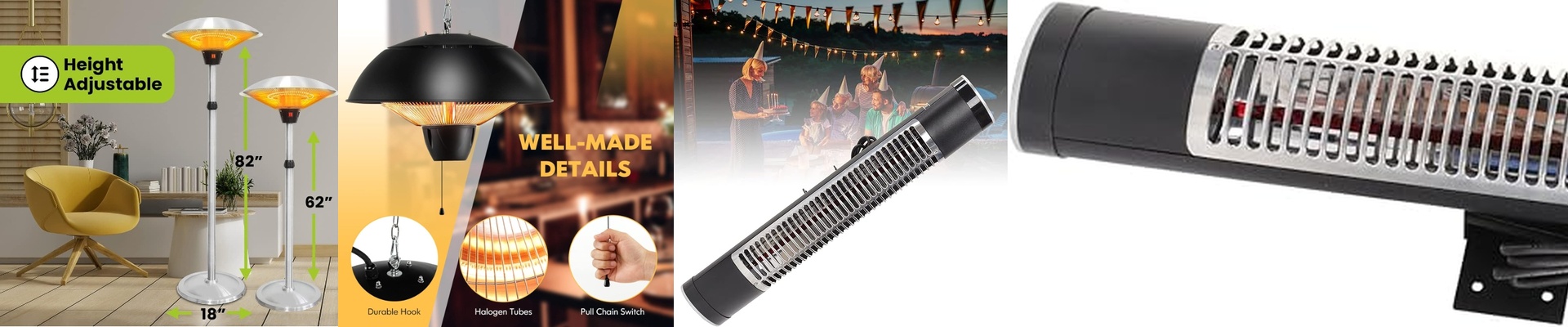
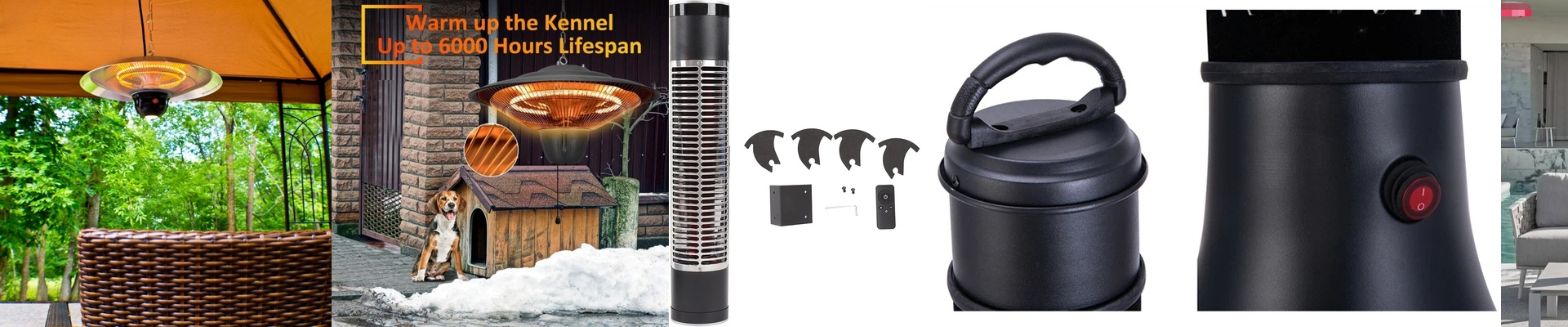




Why Your Waterproof Infrared Heaters Actually Fail (and How We Fix It)
If you’ve ever dealt with waterproof infrared table heaters, you know they live a brutal life. They’re stuck in that awkward spot where extreme heat and constant moisture fight for control. Most people think the heating element is what gives out first. But honestly? It’s almost always the lead-out points. Here’s what happens: water vapor sneaks into the tiny gap where the wire meets the lamp. Once that moisture is in, oxidation starts. Then the heat kicks in, speeds up the aging process, and—boom—you’ve got a dead short.
The problem with “standard” seals
A lot of the cheap heaters on the market just use basic silicone potting. It looks fine at first. But when things get hot for a long time, that material shrinks. Or it cracks. Once a tiny gap opens up, moisture just crawls right in. We see this all the time with low-cost units. The seal just peels away from the quartz or metal housing, leaving a wide-open door for electrical leakage. We do things differently. We use high-temp resins that actually “move” with the wire as it heats up and cools down. Instead of just sitting on top of the surface, the seal fuses to it. It stops that “breathing” effect—you know, where the seal expands and contracts and basically sucks moist air into the unit like a vacuum.
Keeping things safe (and running)
When these units short out, it’s usually because the insulation has just given up. The heat soak degrades the wire, the electrical strength drops, and suddenly you have a problem. A solid seal keeps the current exactly where it belongs, far away from the chassis. If you’re checking your gear, look at the potting. If it’s turning yellow or looks charred, your insulation is toast. Our process keeps the seal airtight but still a bit pliable, even when it’s running at full blast.
The honest trade-off
I’ll be straight with you: these units are built for longevity, not for tinkering. Because the seal is permanent—which is the only way to actually keep water out—you can’t just strip the wires and solder them back together in the field. If a lead breaks, you’re replacing the whole assembly. It sounds like a pain, but it’s a fair trade. You lose the ability to do a quick field repair, but you gain a system that won’t suddenly short out in the middle of a shift.