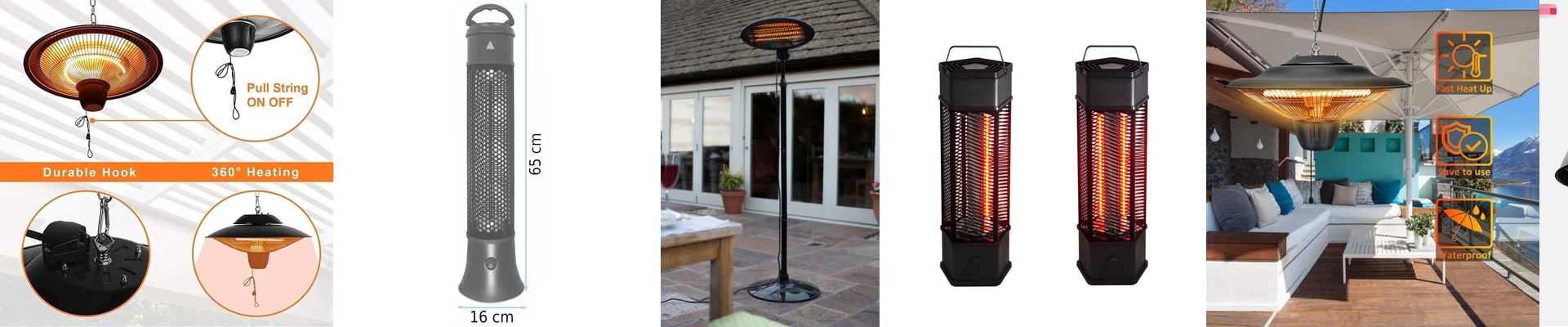
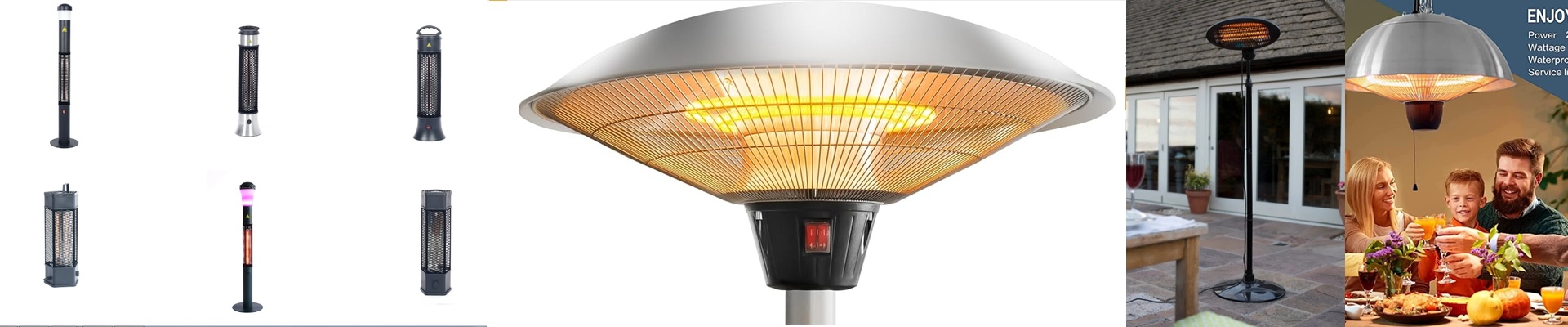
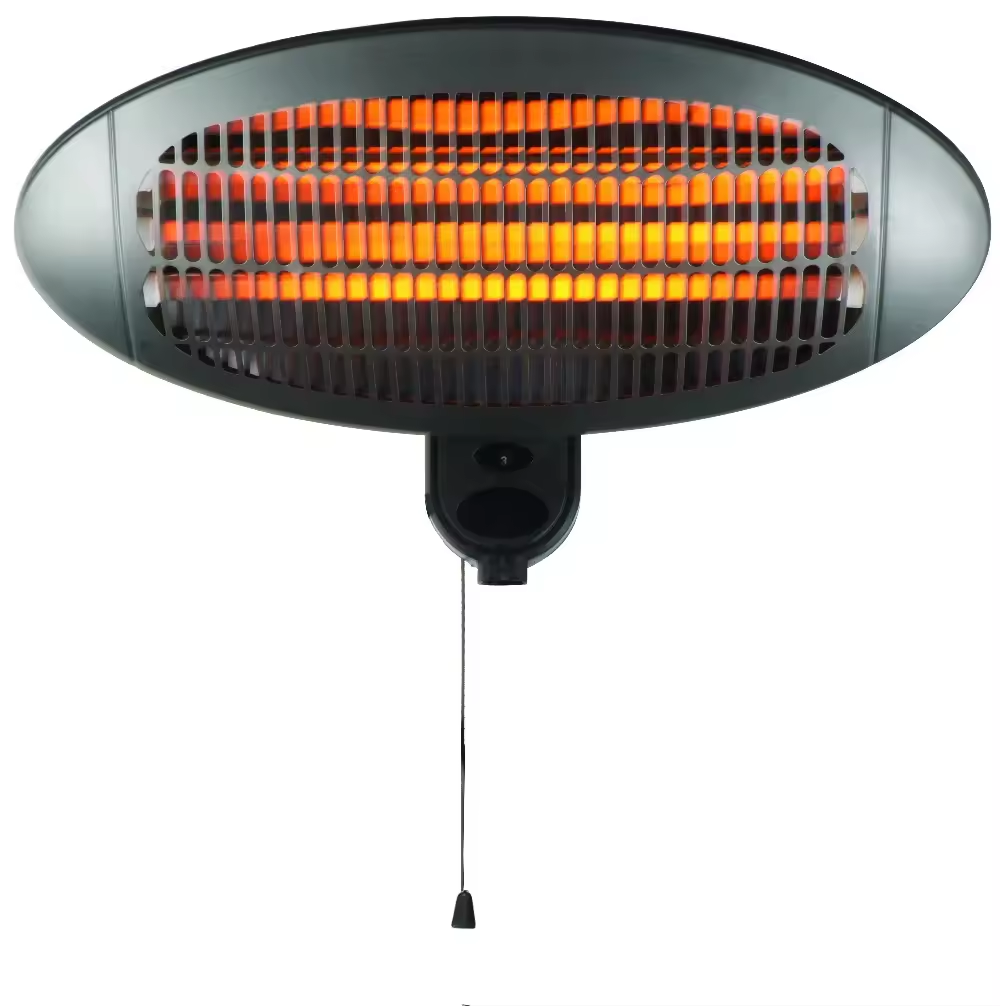
Electric Patio Heaters: Built to Brave the Weather
Let’s be real. An outdoor heater that can’t handle a little rain or wind is basically just a fancy paperweight. That’s why we build these things to be tough from the ground up. Waterproofing isn’t an extra feature here—it’s the whole point. At the heart of it is an infrared heating lamp, designed to pour out warmth without blinding you with a harsh glare. The idea is simple: you get a cozy space, even when the lamp is getting pelted by rain, battered by wind, or sitting in thick, humid air.
Power, Voltage, and Output: The Real-World Details
Most of these infrared patio heaters plug right into your standard outlet, cranking out between 1500W and 2500W of power. That level of output gives you a serious amount of heat in a small package, so you can warm up a good-sized patio without the heater taking up half the room. More wattage means you get heat faster, sure. But it also puts more strain on your wiring and the heater’s own housing. If you go with a 2500W unit, you absolutely need to make sure the cable gauge and circuit protection are up to the job. Otherwise, you’re just asking for voltage drops and parts that burn out way too soon.
The Inside Story: Halogen, Quartz, and a Reliable Connection
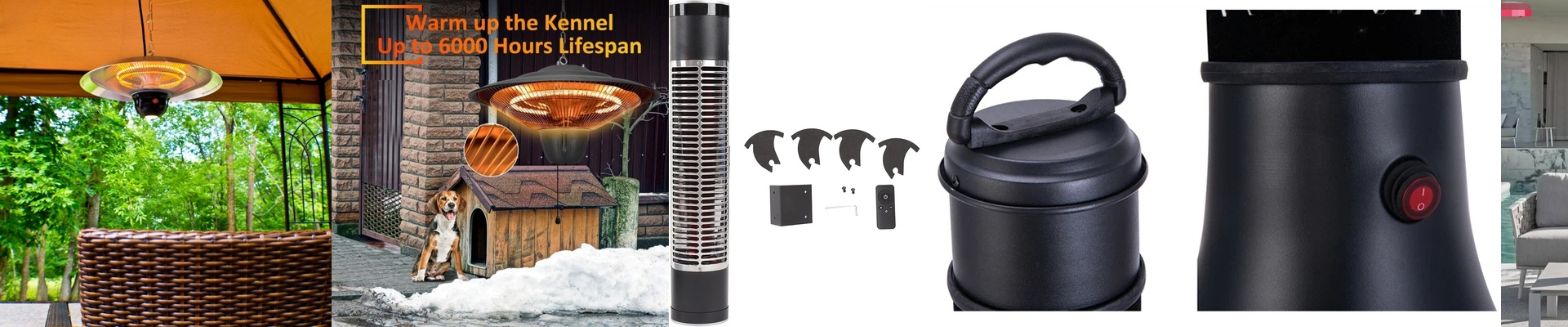
We use a halogen infrared element tucked inside a quartz tube. Why quartz? It just handles those sudden temperature swings like a champ and lets infrared energy pass through with no problem. The halogen cycle keeps the filament stable, which gives you a longer life than you’d get from a basic incandescent bulb. Now, this lamp runs hot. That’s just how infrared works. So to keep everything safe, the waterproof housing is sealed tight with gaskets and made from heat-resistant polymers. The lamp itself connects with an R7s base—a solid, industrial two-pin design that holds firm and keeps the electrical connection reliable. When it’s time for a replacement, it’s a quick, simple swap.
Real-World Use: Warmth Without the Headache
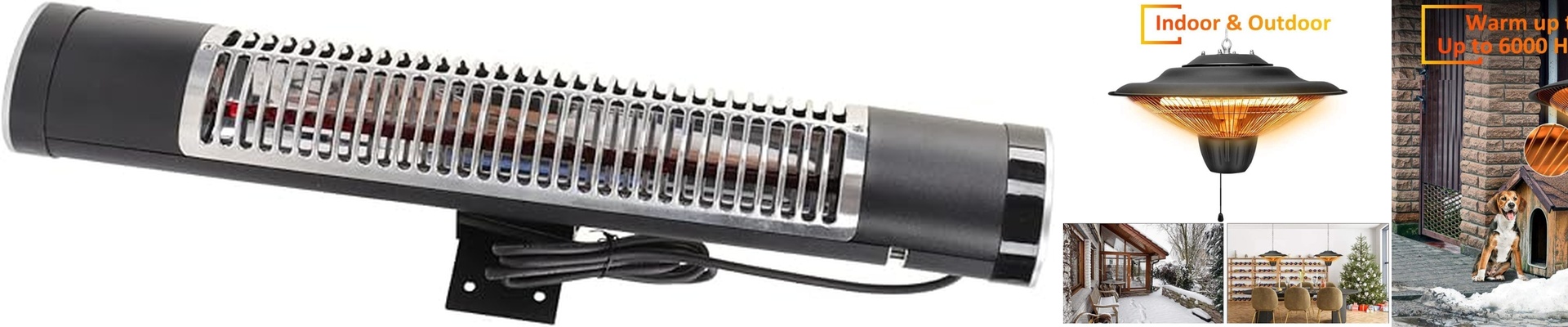
Out on a patio, a heater gets put through the wringer. Moisture, temperature shifts, the whole nine yards. A truly waterproof build stops water from getting in, which means you avoid electrical shorts and corrosion. And the best part? Infrared heat goes right to warming people and surfaces, so you’re not wasting energy trying to heat the air. There’s a trade-off, though. The lamp gets seriously hot, so whatever you use to mount it has to be able to handle that heat day in and day out. When it’s all put together right, you end up with a heater that kicks on fast, installs clean, and just keeps working, season after season.