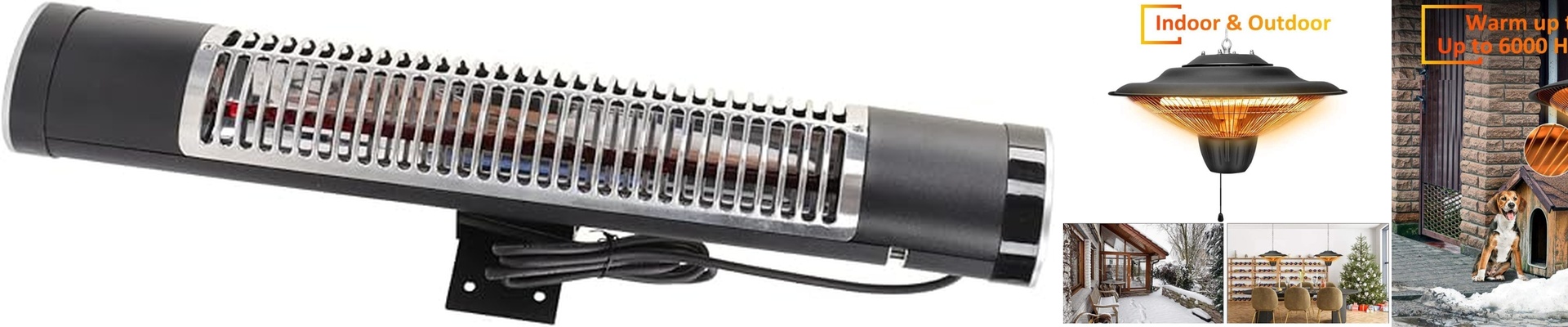
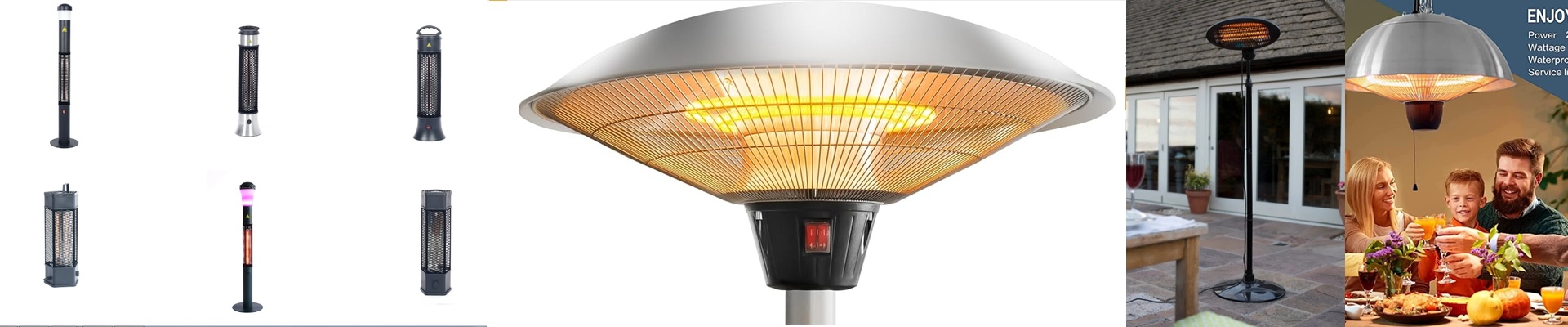
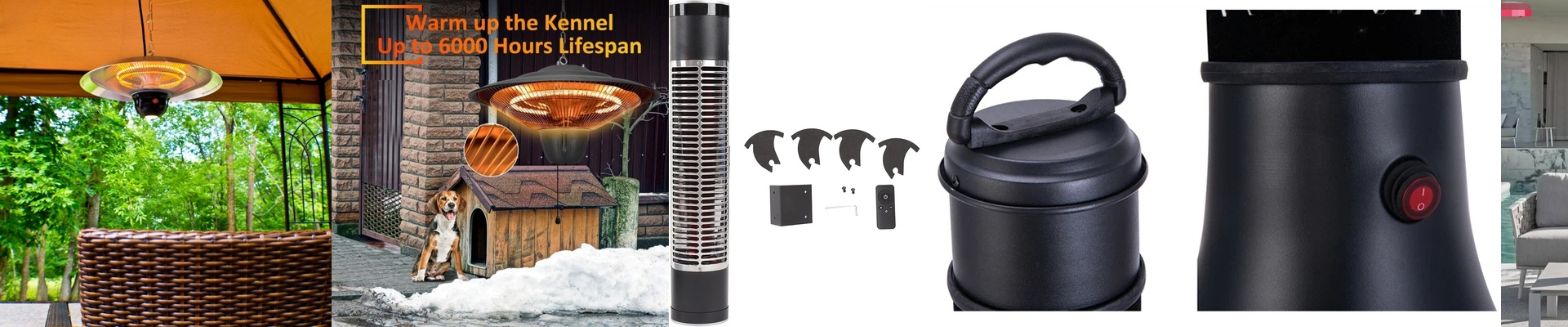
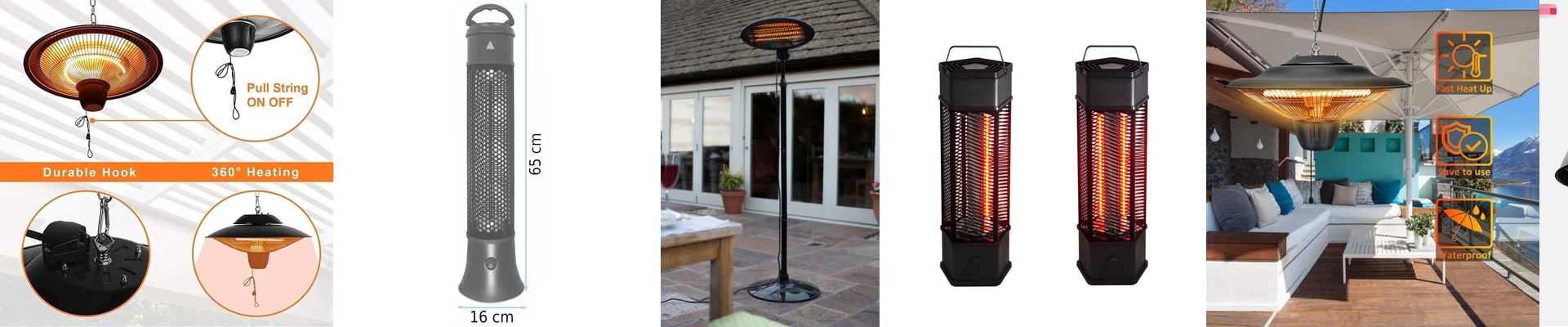

If seasonal allergies are part of your winter, you already know the trade-off. Forced-air systems kick up dust, dry out the air, and keep irritants circulating. The room feels warm, sure, but it doesn’t feel right—itchy eyes, a scratchy throat, and nights that never settle. A low-light infrared heater flips that script because it delivers warmth without moving air.
What matters under the hood
We built this low-light infrared heater around a carbon fiber element inside a quartz envelope. The output is radiant heat—energy that travels straight to people and surfaces, not to the air first. The low-light profile keeps the glow gentle, so it’s at home in bedrooms, reading nooks, and living areas where a bright glare gets on your nerves. You feel warmth quickly—often within seconds—and you get steady comfort without fan noise or that blast of dry, hot air.
Why this works for allergy-prone homes
Radiant warmth means no forced airflow to lift dust or send pollen around the room. That single difference is why many households notice easier breathing: less dryness, less dust in the air, and fewer irritants being stirred up. Heat lands where you actually feel it—down at floor level and at occupant level—so you can hold the main thermostat steady and cut central heating runtime. In practice, that helps keep humidity more stable and the indoor feel calmer. Warmth that supports rest, instead of working against it.
What to keep in mind
Low-light infrared heaters are meant for nearby, direct comfort, not whole-house heating. For the best result, put the unit in your main seating or resting area and keep it clear of curtains and furniture by the recommended clearance. Pair it with an ambient thermostat to keep comfort consistent, and choose a model with a stable base and tip-over protection for day-to-day safety. This is targeted warmth—quiet, clean, and easy to live with.