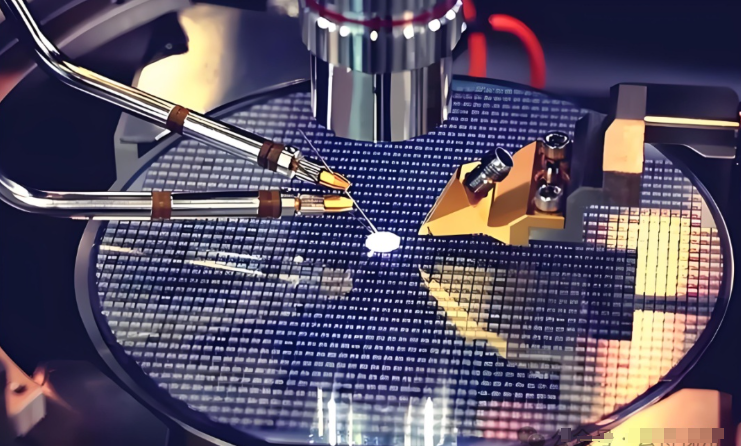
On the fab floor, that hard bake oven door swings open and you can feel it—if the temperature drifts even a hair, the photoresist profile starts to collapse. Next thing you know, the line’s down. Every minute of unplanned stoppage eats your margin and scraps good wafers.
What matters under the hood
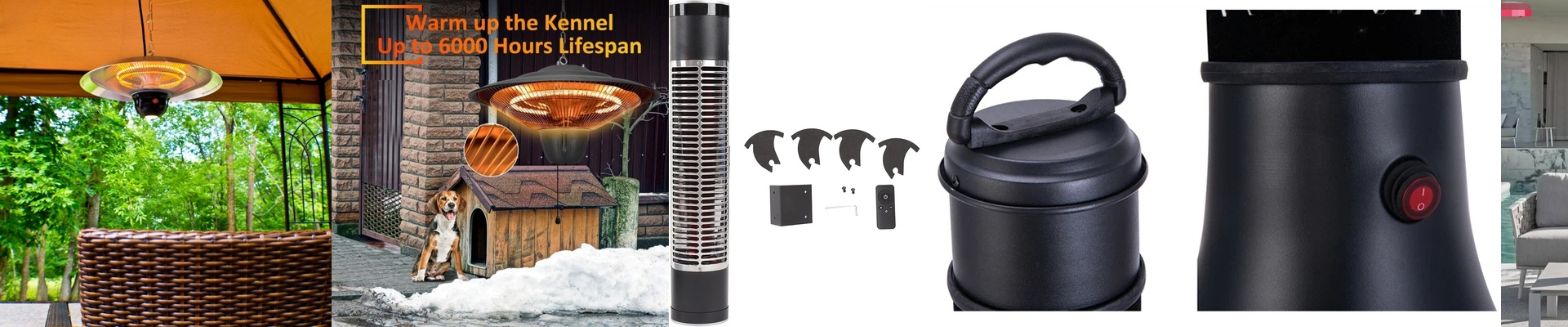
We build the heaters for semiconductor machinery spares around thin-film elements, with quartz or ceramic bodies. The point is fast response and tight thermal control. We’re targeting wafer-level uniformity of ±0.1°C, and the design holds setpoint stability across the whole bake profile—soft bake through hard bake. Cleanroom compatibility isn’t an afterthought. You get low outgassing materials, sealed terminations, and surfaces that keep particle counts in check in Class 1–100 environments. The result: repeatable ramps, consistent soak, predictable cool-down—so every batch clears the thermal budget.
Why this works in litho
This heater keeps lithography cells humming without interruption. In 7×24 operation, the goal is zero unplanned failures, which translates to uptime you can actually bank on. Photoresist processing becomes repeatable, and that means fewer excursions and less rework. We also keep energy use in line with precise control and low thermal mass—cutting utility spend without slowing throughput. Long life means fewer spares on the shelf and fewer maintenance windows, while consistent uniformity helps tighten CD control and overlay yield.
The practical details
Installation comes down to the basics: mechanical clearances, mounting torque, and making sure connectors mate cleanly. The heater plays nice with most OEM platforms, but double-check voltage, current, and the control strategy to match the existing PID and interlock logic. After the swap-in, run a short burn-in and calibration to confirm setpoint accuracy and ramp rates. If you run outside the specified airflow or temperature range, life drops off fast. Stick to the datasheet limits, and you’ll get stable performance—shift after shift.