


Picture this: the lights drop, the screen wakes up, and the opening scene is meant to pull you in. Then the forced-air heater kicks on, and the moment falls apart. In a home theater, even a little fan noise erases the fine detail. In a bedroom, it keeps you from settling into deep, restful sleep.
What actually matters, technically
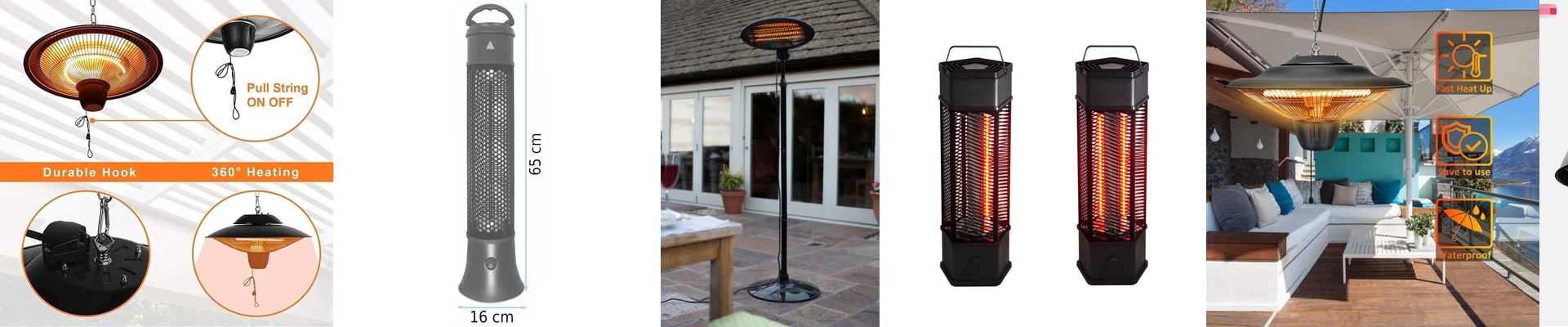
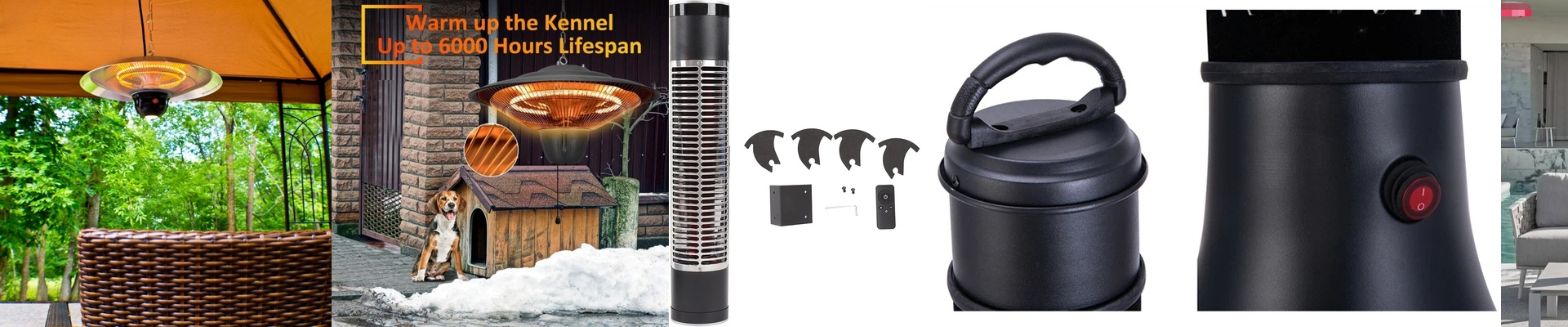
Infrared heaters warm people and objects directly, not the air. No fan. No draft. No mechanical whir. We lean on a radiant element—typically a carbon fiber element or a quartz tube—to deliver directional warmth that feels natural. Heat arrives within seconds, with almost no warm-up lag. In a bedroom, a quiet electric infrared heater runs at a low, steady background level, so you hear breathing and rain on the window, not the heater.
Why this approach fits these spaces
Home theaters live on dynamic range: whispers, distant footsteps, then sudden crescendos. A zero-wind-noise infrared heater preserves that range by cutting out the constant rush of air. The room stays cozy, the screen stays glare-free, and the soundtrack stays clean. In the bedroom, the same principle supports sleep. Radiant warmth helps relax muscles and keeps skin comfortable, without the drying effect of moving air. Fewer interruptions. Deeper rest. And a movie night that stays immersive.
The details that make the difference
Infrared heat is directional, so aim the unit where you actually sit or sleep—warm the seating area and the bed, not just the far wall. For a bedroom, pick a model with a thermostat and timer so comfort holds steady through the night. Check the clearances in the manual and confirm the outlet can handle the power draw. The surface stays warm, but it isn’t hot to the touch, and tip-over protection adds peace of mind. If you need full-room comfort, pair a quiet infrared unit with gentle air circulation—think a ceiling fan set to low.