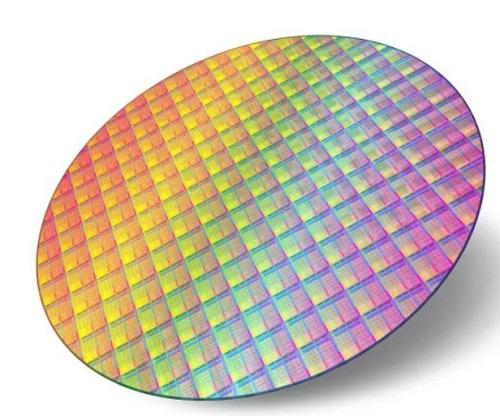
On a 300mm line, a 1°C swing during the photoresist bake is enough to drift critical dimension control and take yield with it. We built our short wave infrared (SWIR) lamp platform to take that variable off the table. The point isn’t just heating—it’s thermal stability. Here’s what matters under the hood. SWIR energy gets absorbed fast and right into the photoresist stack, so you don’t fight substrate thermal inertia. Our lamps hold wafer-level uniformity within ±0.1°C across the bake surface, and setpoint repeatability lands at ±0.2°C. Response is under 50 ms, so the thermal profile tracks the recipe without overshoot. Cleanroom compatibility is built in, not bolted on. We use Class 1–100 compliant materials, keep particle generation at zero, and route exhaust so outgassing stays away from the exposure path. Quartz envelopes and a reflector geometry that tames stray light mean the lamp adds no photochemical noise during the bake. In lithography, soft bake and hard bake set the solvent budget and lock in the resist profile. Tight temperature control pays off in lower line-width roughness and tighter overlay. SWIR’s selective absorption shortens bake cycles while keeping profile control, so throughput rises without dumping extra heat into the chuck. You end up with stable critical dimension, less scrap, and dose-to-clear behavior that stays consistent lot-to-lot. Energy use drops because the energy goes where it needs to—into the film—not into heating fixtures. A few practical notes. SWIR lamps need precise optical alignment and a clean, focused thermal window. Don’t mix them with broad-spectrum sources unless you re-qualify the reflector and filter strategy. Installation tolerances are tight, and if the baffling is undersized, thermal crosstalk between adjacent zones can creep in. Plan a short commissioning run to map hot spots and calibrate the pyrometer to the actual emissivity of the resist stack. Once that’s set, the process stays locked.