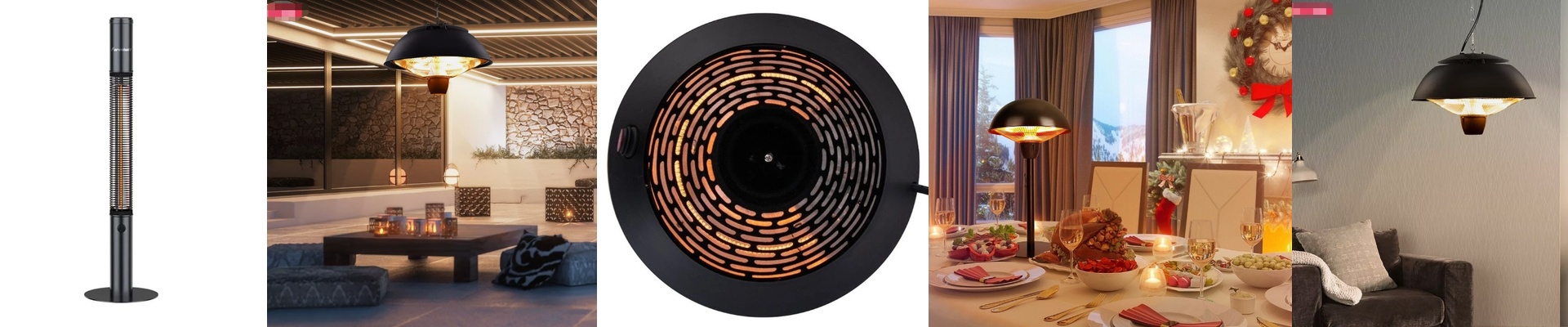
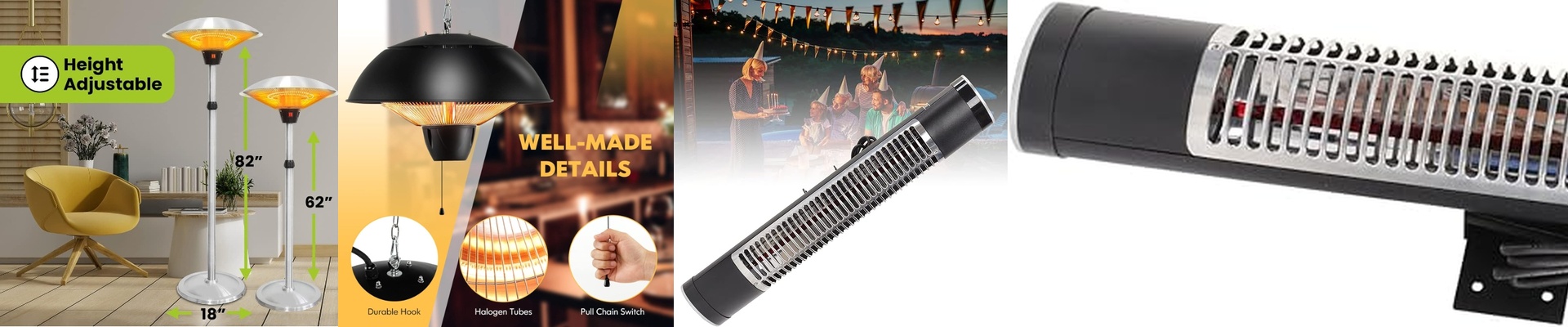
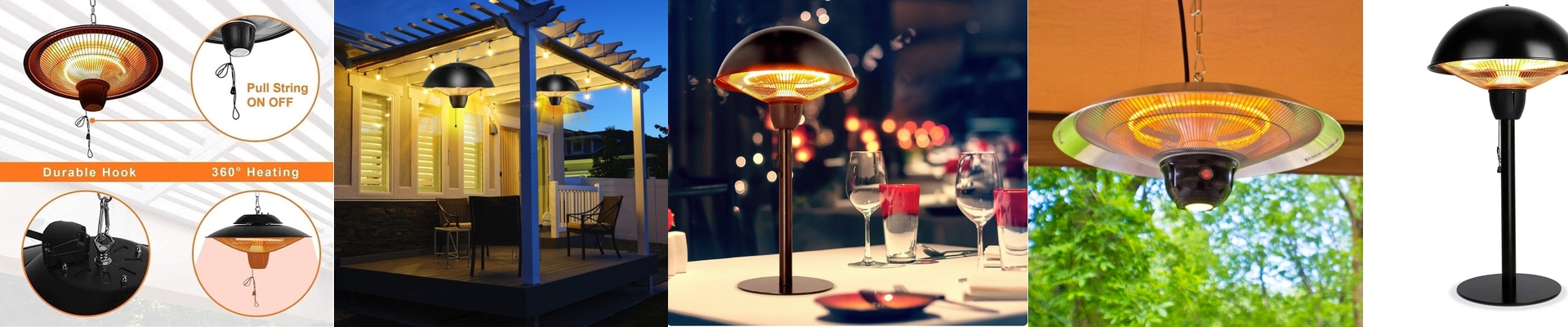
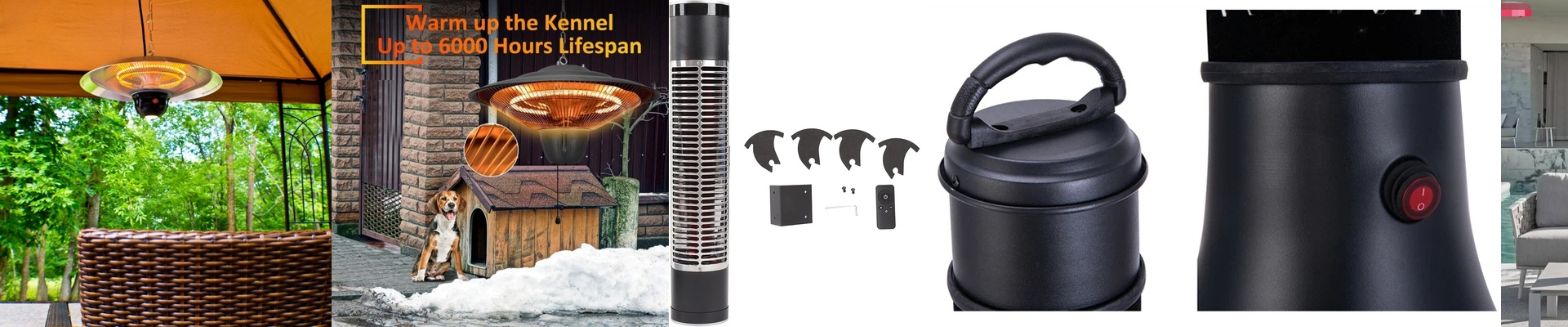
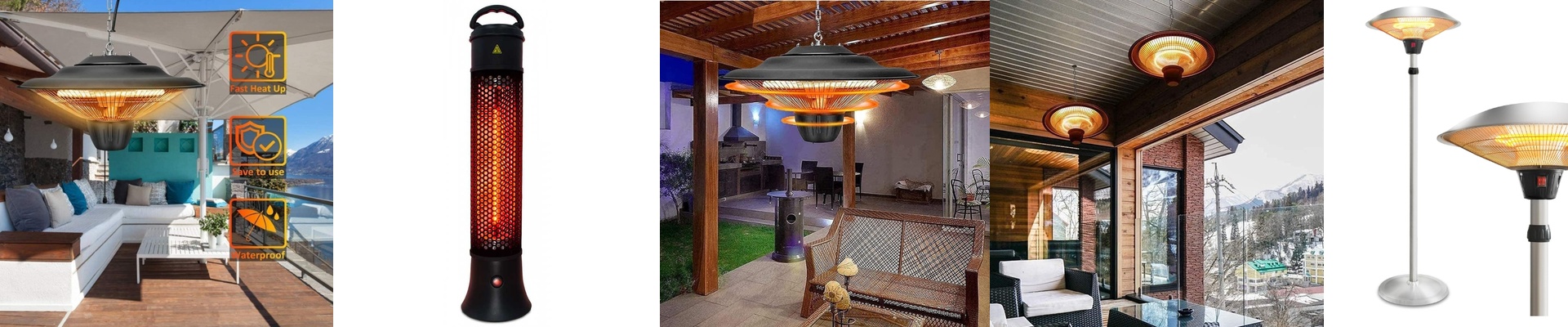
If you’ve built out a smart home, comfort should be simple—especially when pets are sharing the same space. Traditional heaters bog down the system with slow warm-up times and long cool-down tails. The thermostat ends up chasing the temperature, overshooting and wasting energy. In that setup, the heating element isn’t just a detail—it’s the difference between responsive heat and a constant tug-of-war.
What actually matters, technically
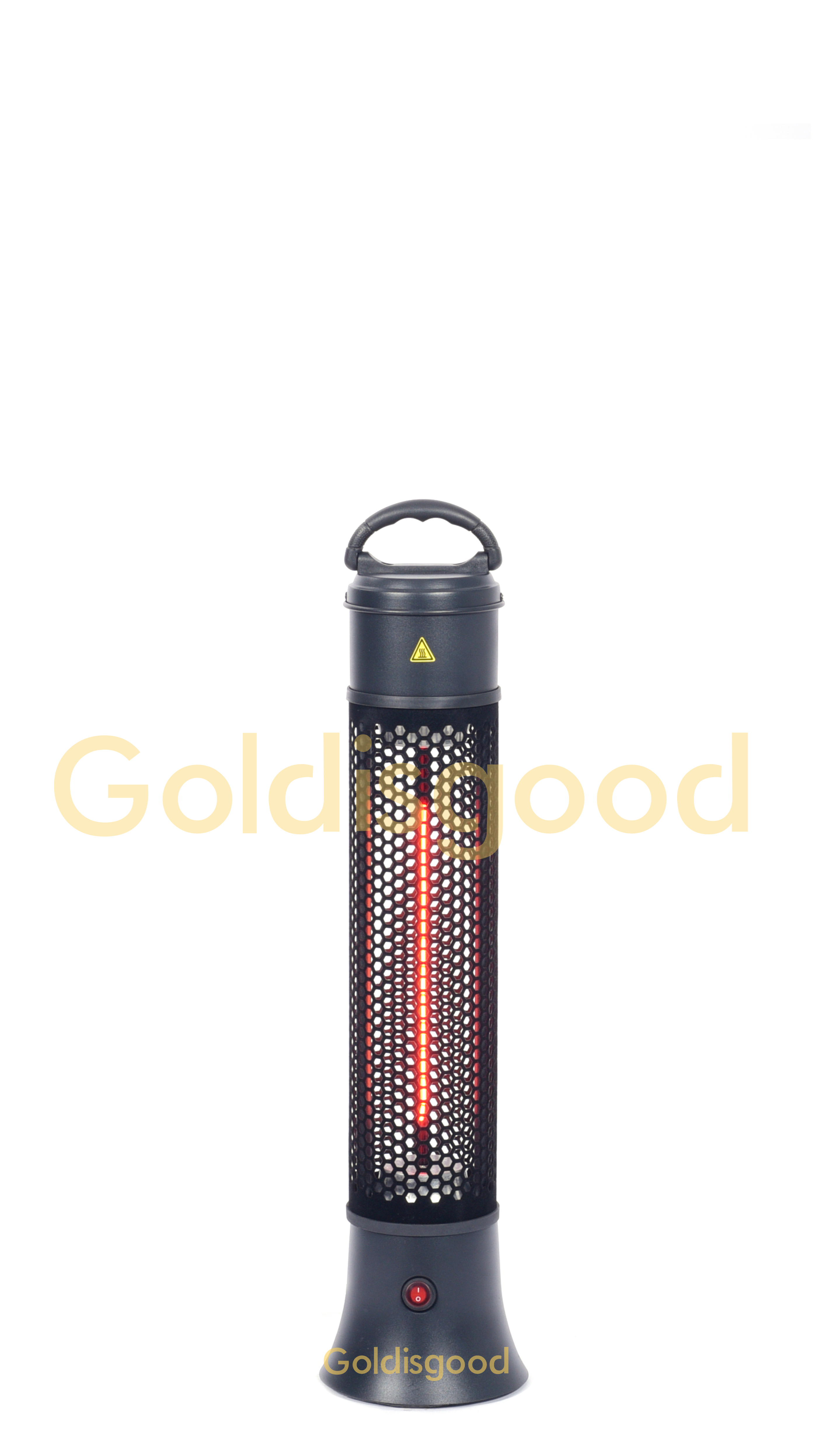
Infrared heaters that use low-inertia elements—carbon fiber or thin quartz tubes—deliver radiant warmth almost the instant they start. They heat fast and cool fast, so the system can adjust on the fly. In practice, that means tighter temperature control, fewer on/off cycles, and less energy spent chasing comfort. For pet-safe operation, look for a cool-to-the-touch outer grille, tip-over protection, and an overheat cutoff. Pair the unit with a compatible thermostat and your smart-home controller, and you get repeatable heat without guesswork.
Why this pairs so well with a smart home
A smart home only feels smart when it can react quickly. Low-inertia infrared heat matches that speed—it keeps up with sensors and automation. When the room cools, heat comes back fast; when the target is reached, output drops without hanging onto residual warmth. That steady response means more consistent comfort for pets, fewer hot spots near the floor, and measurable energy savings over the season. It also means quieter operation—no loud fans to startle napping pets—just directional warmth where you need it.
A few practical notes
Infrared warms people and objects directly, not the air, so comfort can feel warmer than the displayed temperature. For the best results, size the heater for the room and aim it toward the primary activity area. These heaters work best in dry indoor spaces. If you’re dealing with a damp area, choose a model with appropriate protection and keep the unit away from direct water exposure. And keep the front clearance clear—radiant heaters need line-of-sight to deliver their full effect.