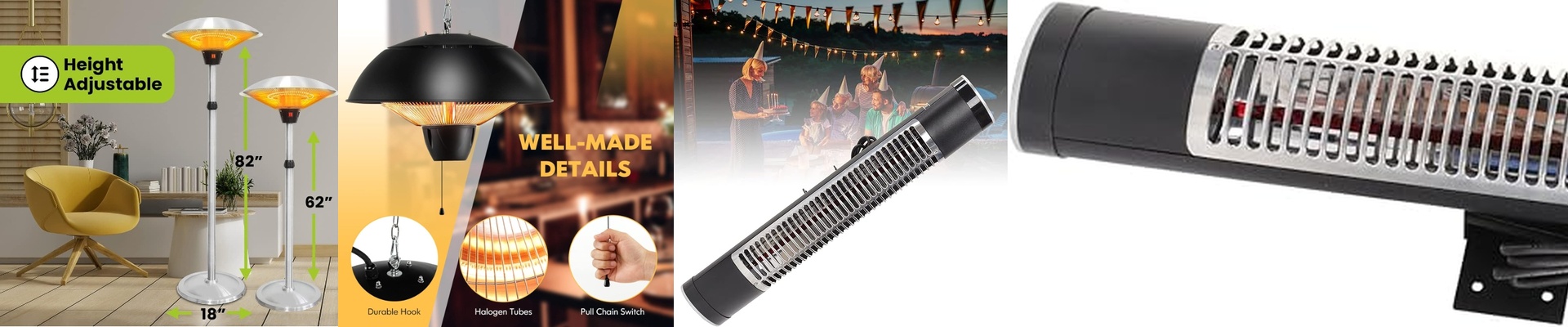
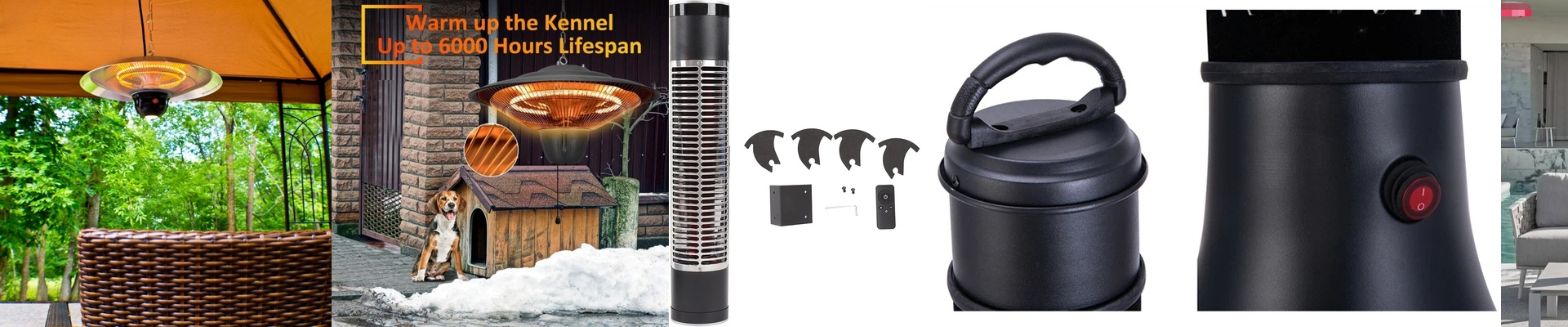
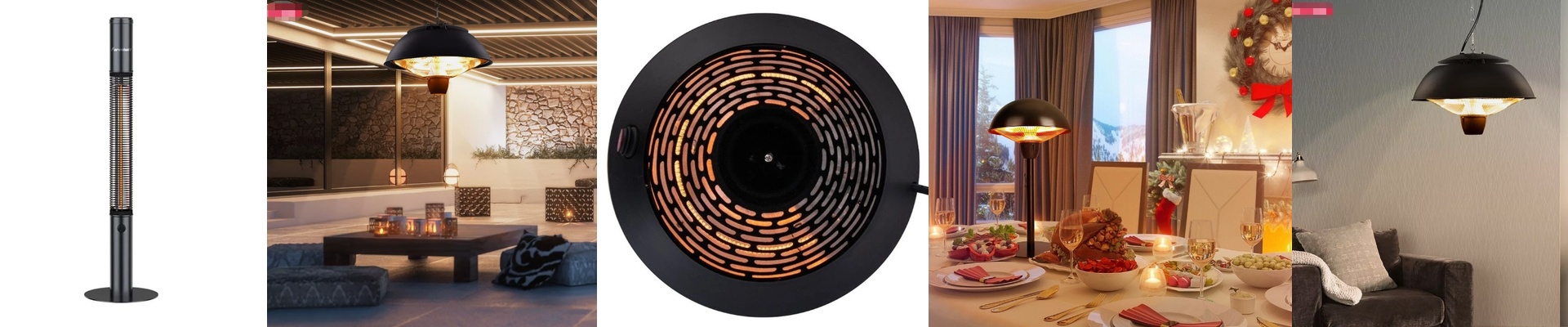
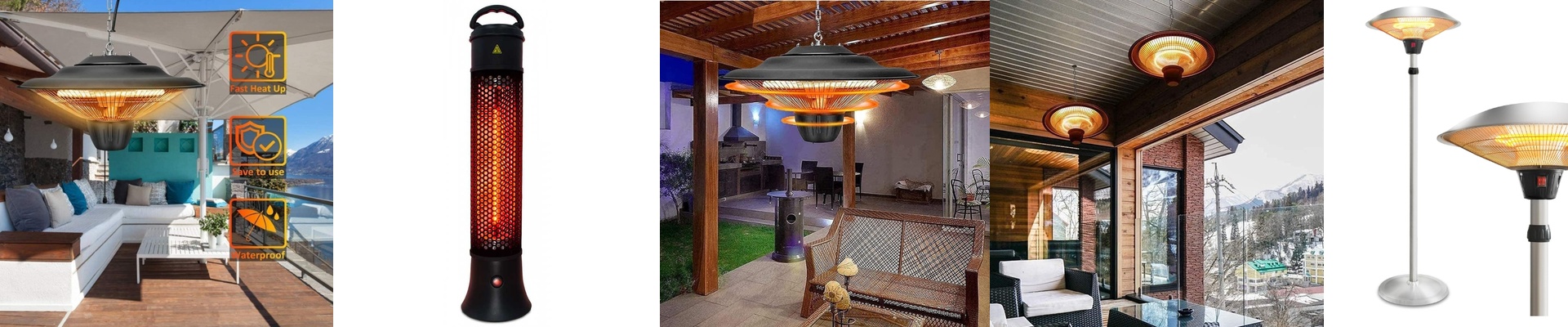

You feel it before you notice it—warmth fading, the heater taking longer to kick in, and the energy meter quietly climbing. On infrared heaters, surface dust isn’t just cosmetic. It acts like a thin insulating blanket, dulling the element and forcing the unit to work harder to deliver the same radiant heat. The payoff is predictable: higher running costs and a shorter life for the components.
What actually matters under the hood
Infrared heaters work by radiating heat directly to people and objects, not by warming the air. That transfer depends on clean, unobstructed surfaces—especially on the quartz tube or carbon fiber element. A light layer of dust reflects and traps heat, so the heater draws more power to compensate. In practice, you end up with longer run times, more cycling, and a noticeable lag before you feel the heat. A WiFi-enabled electric infrared heater gives you a practical way to stay on top of it. With an app, you can schedule heating around actual use, set comfort targets, and keep an eye on runtime. That visibility makes it easier to catch early drift—like a steady bump in daily kWh—so you can address maintenance before the heater starts to overwork itself.
Why this approach fits the space
Whether you’re heating a covered patio, a sunroom, or a corner of the workshop, infrared warmth is meant to be immediate and localized. Keep the element clean, and you get the right feel fast: steady radiant heat that eases muscle stiffness and keeps conversations comfortable without blasting cold air. Staying on top of simple upkeep avoids the energy penalty of grime and protects the heater’s internals, cutting down wear so it feels dependable season after season.
The field notes that save you trouble
Power off and let the unit cool before you touch anything. Wipe exterior surfaces with a dry microfiber cloth; if dust is stubborn, lightly dampen the cloth and dry immediately. Never spray liquid directly into vents or onto the element housing. Place the heater where airflow is good and exposure to grease, pollen, or heavy debris is minimal. One real-world heads-up: WiFi control is strongest where your signal is solid—spotty coverage can throw off scheduling, so keep the heater within range or consider a mesh extender if your space is large.