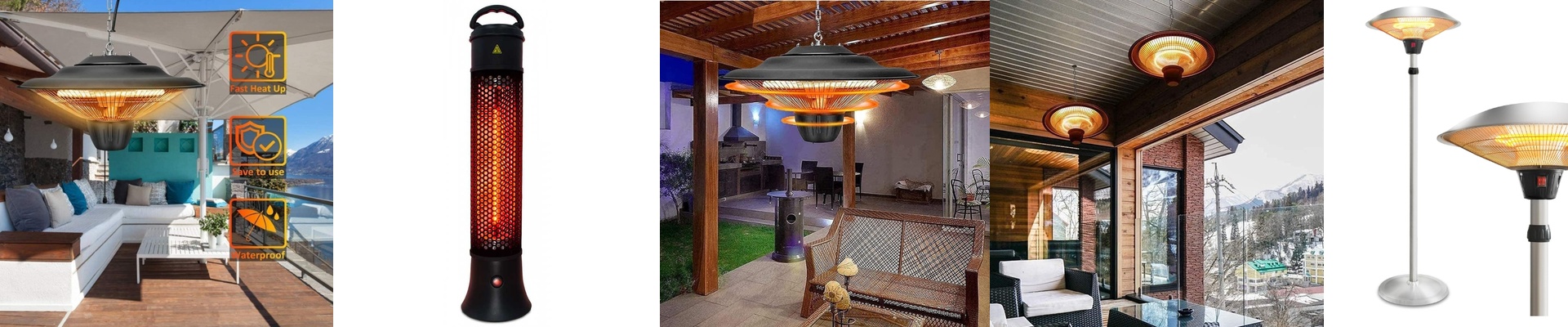
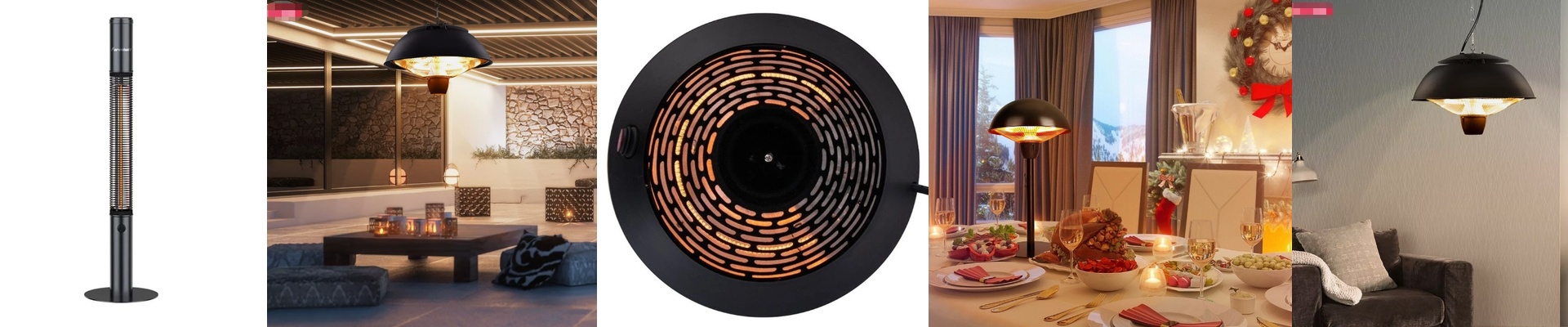
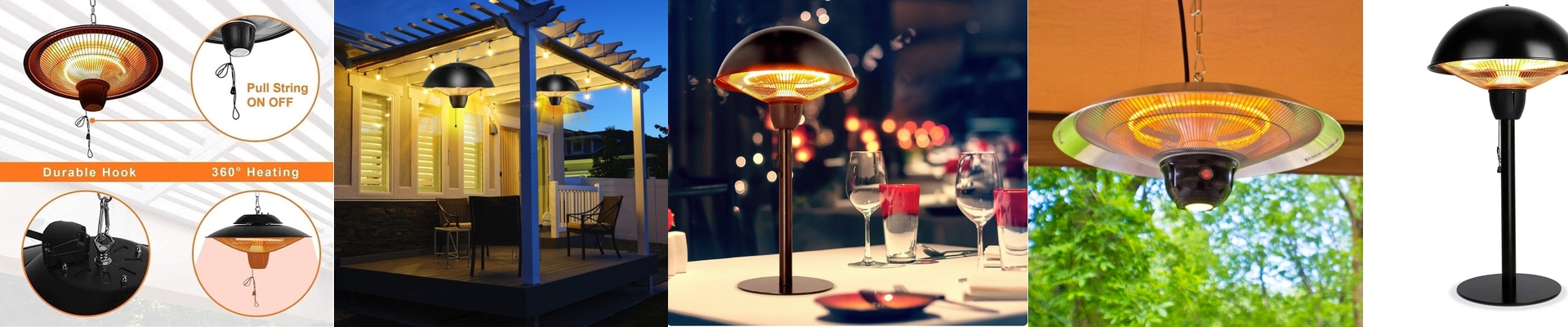
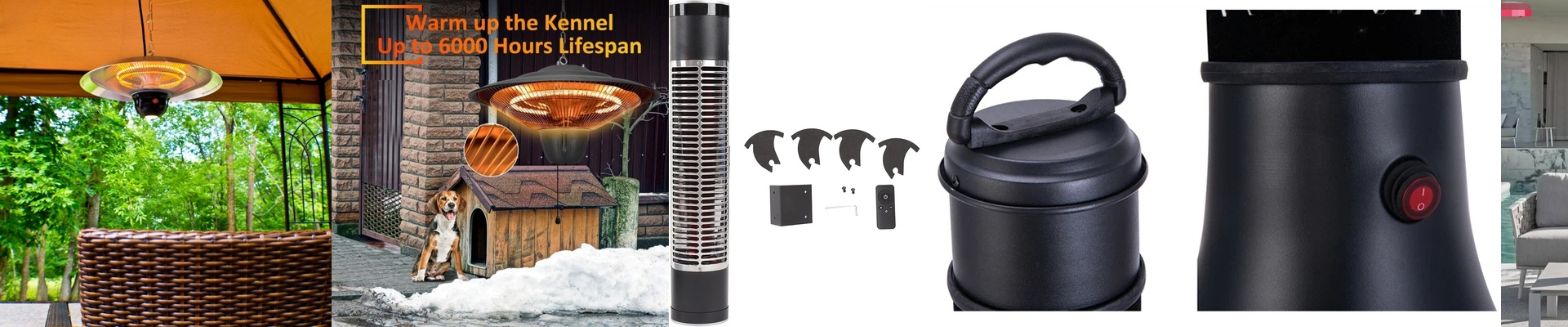
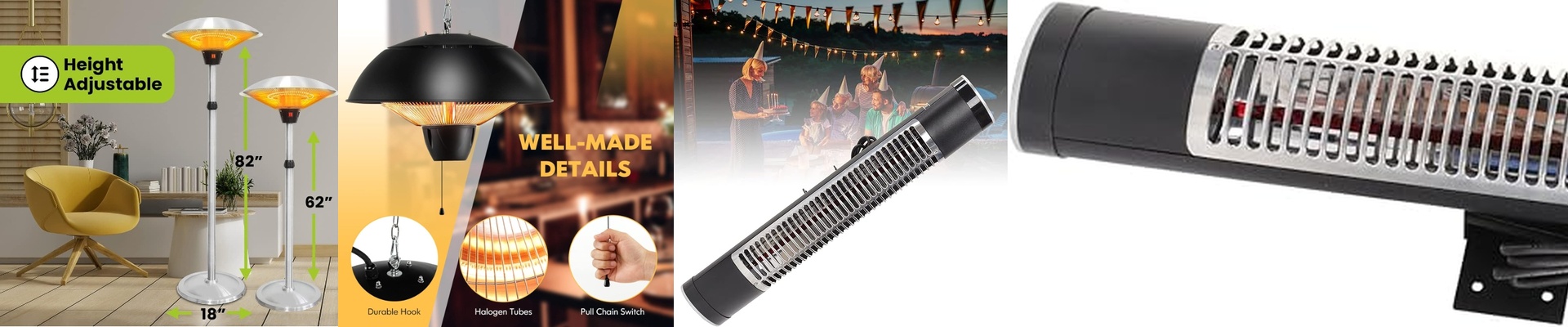
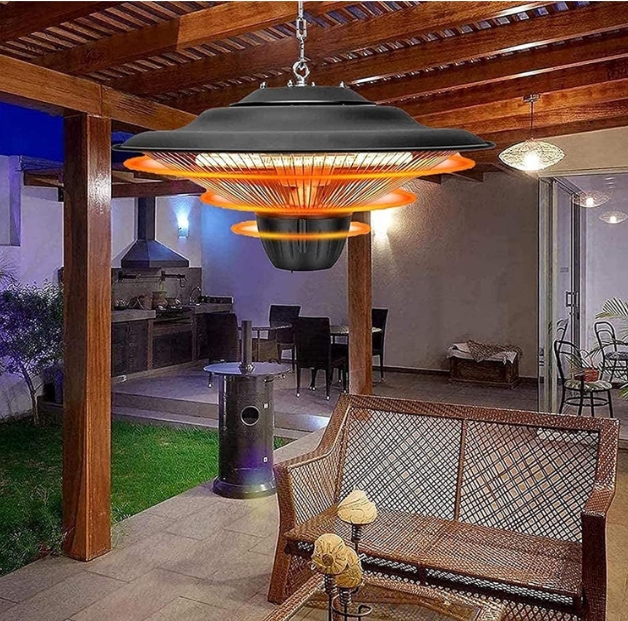
Out in a remote cabin or an off-grid shop, you know the drill: the smell of kerosene means heat is on the way, but it also means compromised air. Soot, that persistent odor, and oxygen getting thin—heating turns into a trade-off between comfort and health. Swap in a decorative space heater that uses infrared warmth, and that trade-off disappears. You get comfort without the mess.
What actually matters, technically
Infrared heating works by radiating heat straight onto people and objects, not by trying to warm the air. In practice, the warmth hits in seconds, and you feel it even when the room air stays cooler. A typical electric infrared heater runs 1,500 W on a standard 120 V outlet, pulling about 12.5 A. Many units use a carbon fiber element or a quartz tube—either one heats quickly and delivers even radiant output. Built-in thermostats hold temperature steady, and the usual safety kit is there: tip-over protection and an overheat cutoff.
Why this makes sense in practice
Swapping a kerosene stove for an electric infrared heater cleans up indoor air quality immediately. No combustion means no fumes, no carbon monoxide risk, and none of that oily residue that seems to coat everything. In those tight, remote interiors where ventilation is limited and cold drafts sneak in, radiant warmth feels more natural, too. It warms you first, then the space, so you can keep things quiet and draft-free. The payoff is steadier comfort, fewer odor headaches, and less maintenance.
The details you’ll want to get right
Infrared electric heaters need a dedicated outlet—don’t try to share an extension cord with other high-draw gear. They perform best in well-insulated spaces up to about 200 sq ft; if you’re dealing with a very large, open room, plan for two units or step up to a higher-output model. And because radiant heat warms surfaces, keep the heater at least three feet from combustible materials. Follow the clearance instructions, and the unit runs safely and predictably.