

On the road, warmth isn’t a perk—it’s the difference between a morning that starts with a gasp and one that starts quietly. It keeps condensation from winning at night, too. An RV electric heater has to earn its keep in damp air, big temperature swings, and when the power source keeps changing. So we put every unit through tough damp-heat aging tests, the kind that mimic the humidity and heat cycling you’ll see in tight spaces with limited airflow.
What matters under the hood
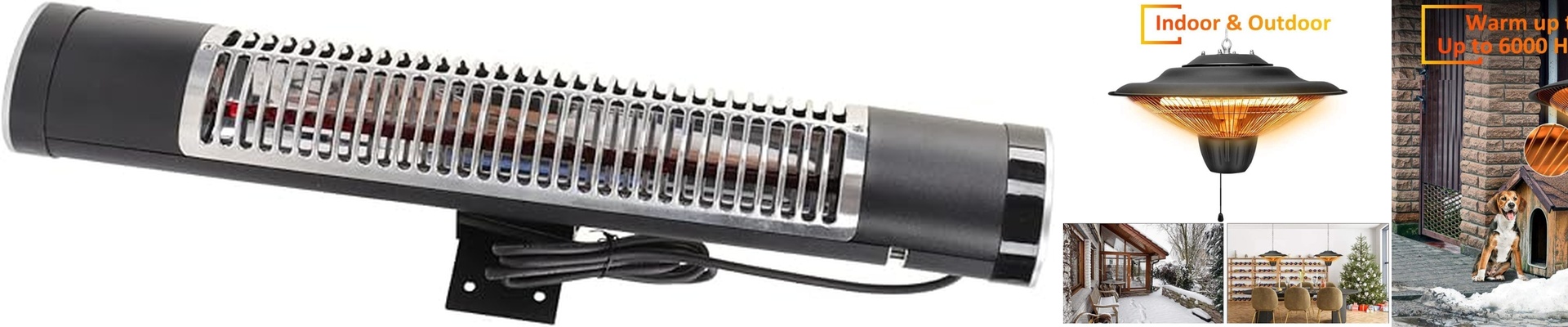
We built this RV electric heater around infrared radiant heat, using a quartz heating element that warms people and objects directly, not the air around them. You get a more even feel, and you don’t lose as much heat when someone opens the door. It runs on standard 120V shore power and draws 1500W—enough to boost comfort quickly without tripping typical RV circuits. A built-in thermostat holds the temperature steady, and tip-over protection shuts the power off if the unit gets knocked over. The housing is made to resist moisture, and every internal joint is sealed to cut down on corrosion.
Why this testing makes sense
Damp conditions are the quiet killer of electric heaters. Moisture works its way into connections, makes controls feel sluggish, and shortens component life. By aging each heater in a controlled, humid environment, we force weak spots to show themselves before the unit ever reaches your rig. This isn’t about checking boxes—it’s about fewer surprises on cold mornings and a heater that stays consistent season after season. You get warmth that comes on fast, settles into a steady comfort zone, and helps you sleep easier when the outside temp dives.
The details you need to plan around
This heater is for indoor use and needs a dedicated 15A outlet on shore power. It won’t run off a 12V battery system, so plan your wiring and make sure you’re on a GFCI-protected circuit.**Clearance matters.**Keep it away from fabrics, curtains, and any low-clearance areas. The design resists moisture, but RV bathrooms can get brutally humid—avoid mounting directly over the shower and always run ventilation to keep condensation in check.