Why we’re ditching old heat lamps for waterproof infrared in the bathroom
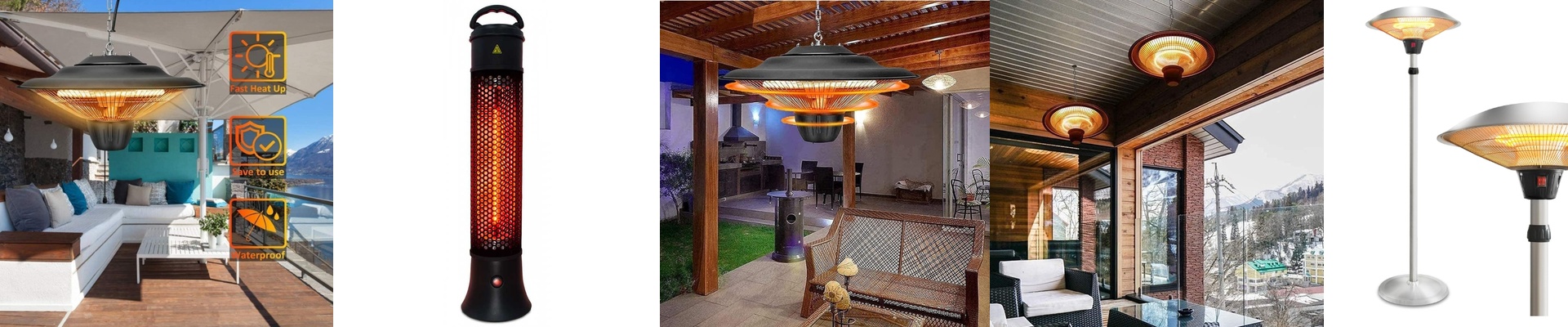
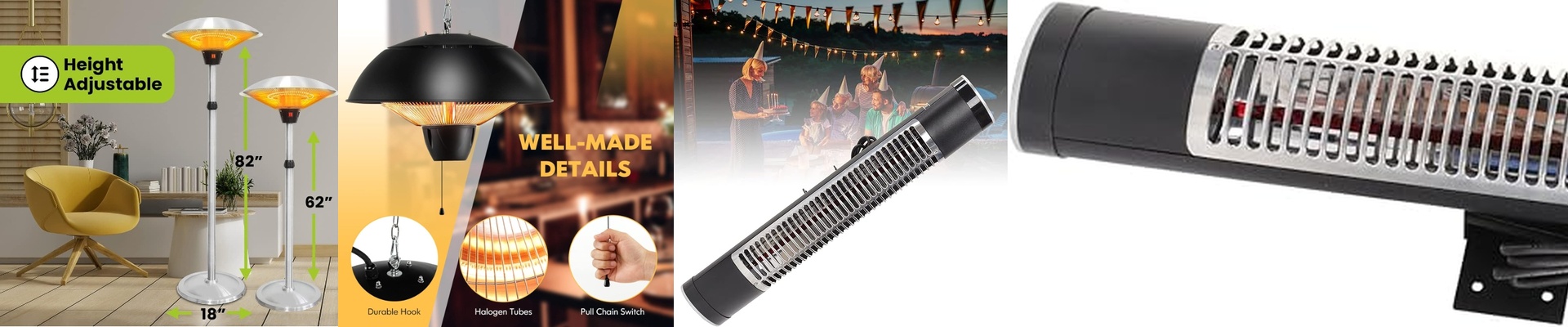
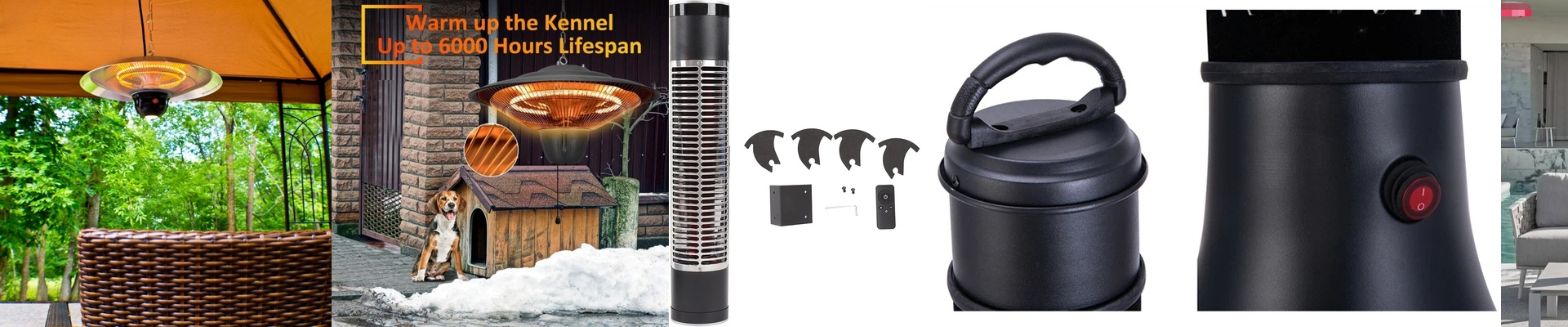
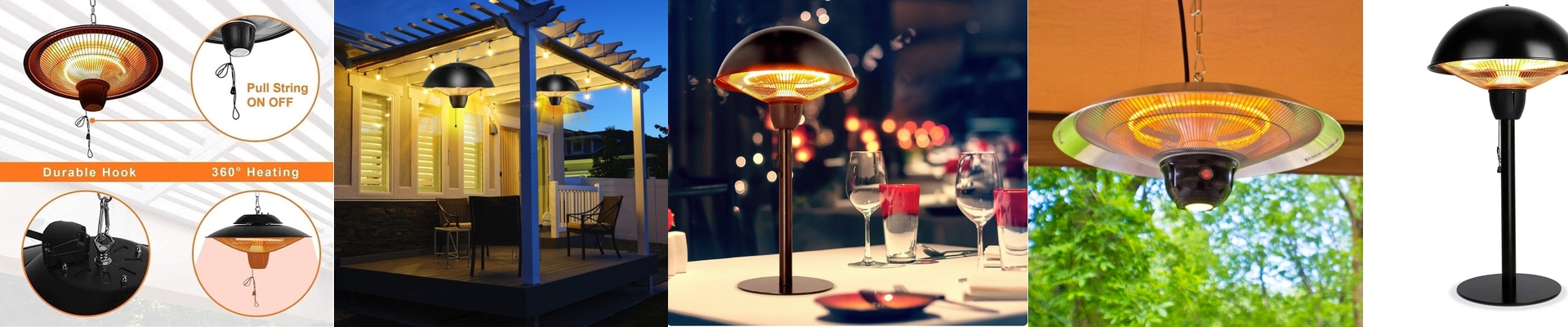
Ever had a bathroom heater just… die? Probably. Most of those old halogen lamps aren’t built for the steam of a real shower. Moisture seeps into the housing, shorts out the wires, and then you’re standing in a freezing room wondering why you bought it in the first place. That’s why we’ve moved toward waterproof infrared heaters. They actually handle the humidity. The problem with “lamp warmth” Old-school heaters basically just get a piece of quartz glass red-hot. When steam hits that scorching glass, it creates a thermal shock. The glass cracks. Simple as that. We use sealed infrared emitters now. They have high IP ratings, which is just a fancy way of saying they’re tightly sealed so water can’t touch the electrical bits. And here is the best part: they don’t waste time trying to heat up the air in the room. Instead, they send out shortwave radiation that hits your skin and the floor directly. It feels like stepping into a patch of sunlight on a cold morning. Built for the splash zone These units use special seals and housings that don’t rust or corrode. We also put tempered glass covers over the elements. You know that loud “pop” you hear when a drop of water hits a hot bulb? Yeah, that’s gone. The glass shield stops the spray from ever touching the heating element. One thing to keep in mind: these pull a decent amount of power. If you’re swapping out an ancient heater in an old house, just make sure your wiring can handle the load. You don’t want to be tripping your breakers every time you want to feel warm. Getting it installed The heat is instant. No waiting around for the room to warm up. You flip the switch and you feel it immediately. Just a heads-up on placement. Because the heat is so concentrated, you can’t put them right next to plastic fixtures or acrylic panels—they might melt. We usually suggest mounting them at least 2.1 meters high. It keeps the “hot spots” away from your head and spreads the warmth better. We build these to actually last. By sealing everything off, we stop the oxidation that usually kills a bathroom heater in a couple of years. It’s just a better way to do it.