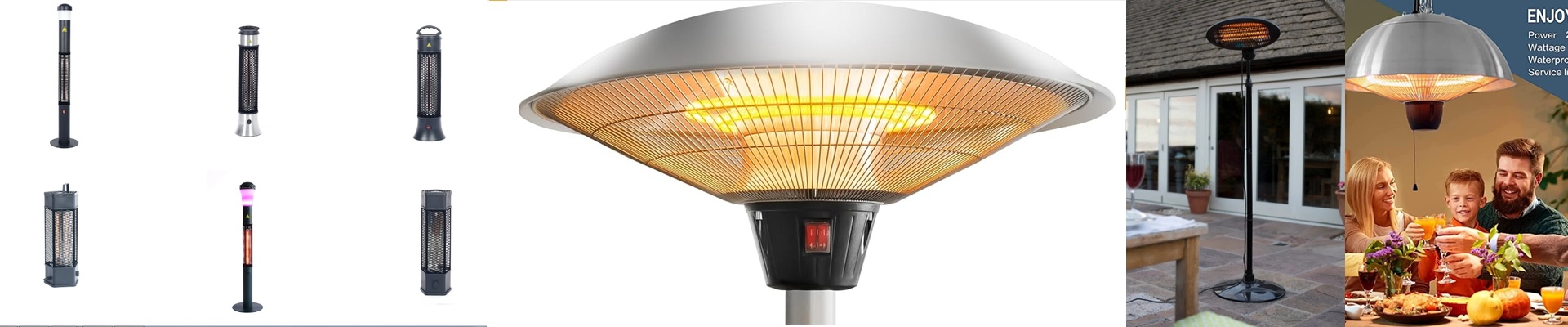
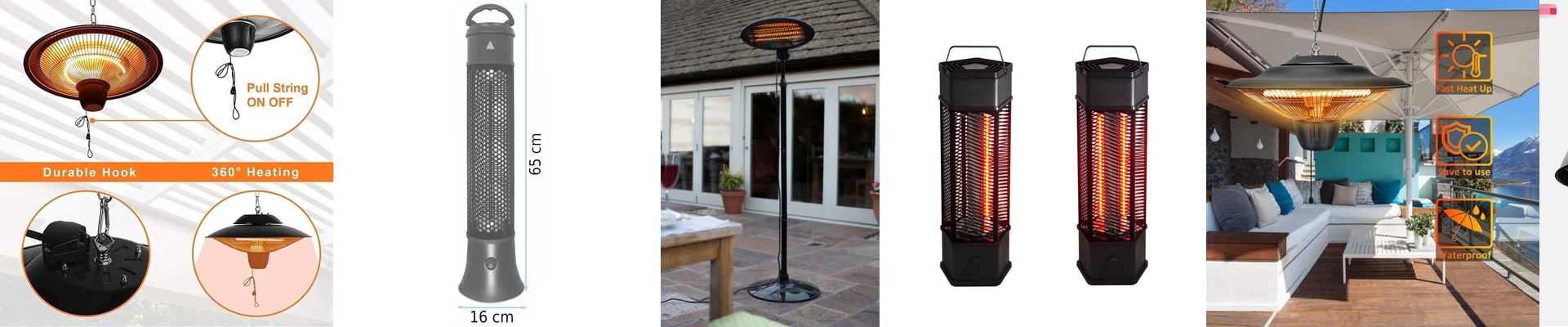
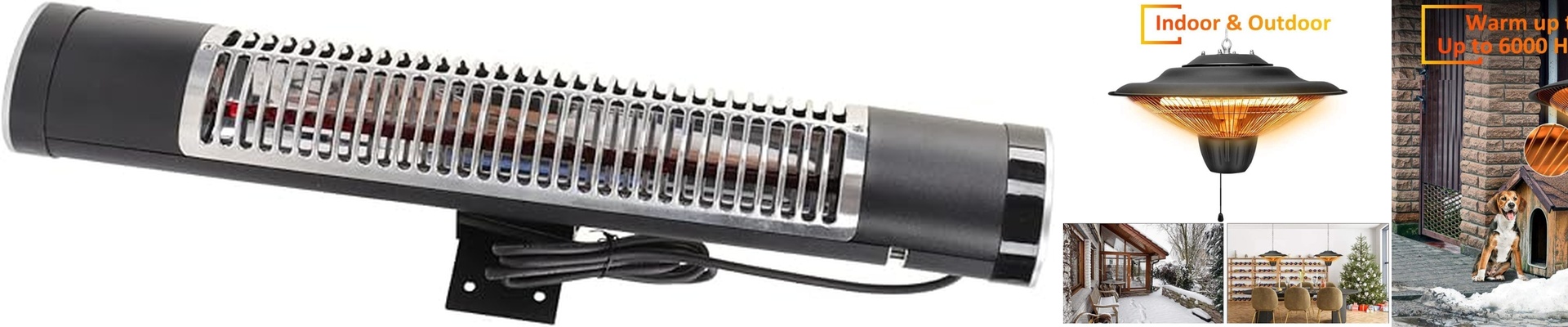
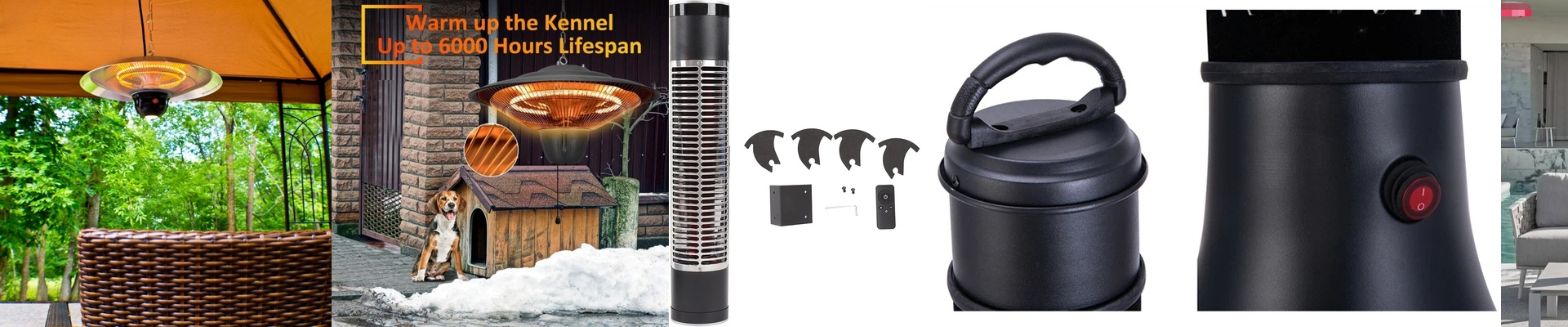
Making Your Infrared Heat Actually “Smart”
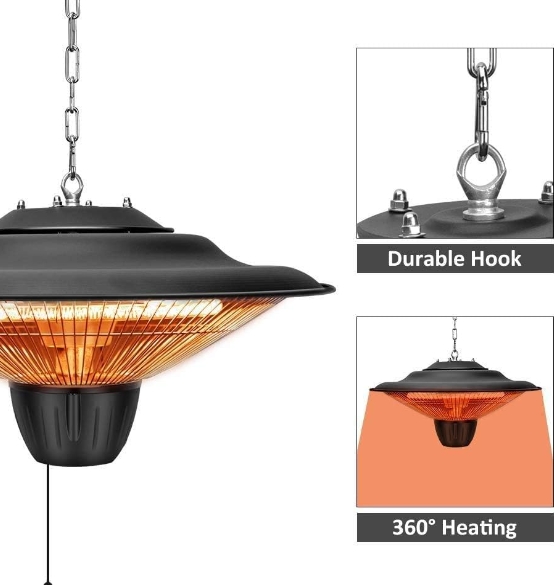
Ever notice how traditional heaters feel like they’re playing a waiting game? You turn them on, and then you just… wait. You wait for the air to warm up, wait for the vents to kick in, and wait for that chill to finally leave your bones. Infrared is different. It doesn’t bother with the air; it just hits you and your furniture directly. When you hook that up to a smart home system, the lag disappears. You hit a button, and you feel the heat immediately. It’s a total shift in how a room feels. Why it feels so fast Most of these setups use short or medium-wave emitters. Think of it like a light switch versus a slow-cooking pot. A boiler has to heat water and shove it through pipes—that takes time. An IR element just wakes up and starts working. If you add a Zigbee or Matter controller into the mix, you can trigger it from your phone or a voice command. It’s like flipping a switch from winter to spring in about three seconds. The gear you actually need Here is where people usually mess up:don’t just plug your heater into a cheap smart plug. Infrared heaters pull a lot of power. If you use a flimsy plastic plug from a big-box store, you’re probably just inviting a burnout. You want high-capacity contactors or dedicated smart breakers. Basically, you want a system where the smart software sends a tiny signal to a heavy-duty switch that can actually handle the load without melting. The reality check Now, smart tech is great, but it can’t cheat physics. Infrared is “line-of-sight.” If you put a big oversized sofa right in front of the emitter, the sofa gets toasted and you stay freezing. You’ve got to be smart about where you place the units. And one more thing—watch your power spikes. If you set up a “Welcome Home” scene that kicks on five 2000W heaters at the exact same millisecond, your circuit breaker is going to hate you. Make sure your electrical panel is spec’d for that peak hit, or you’ll be spending your cozy evening in the dark.