

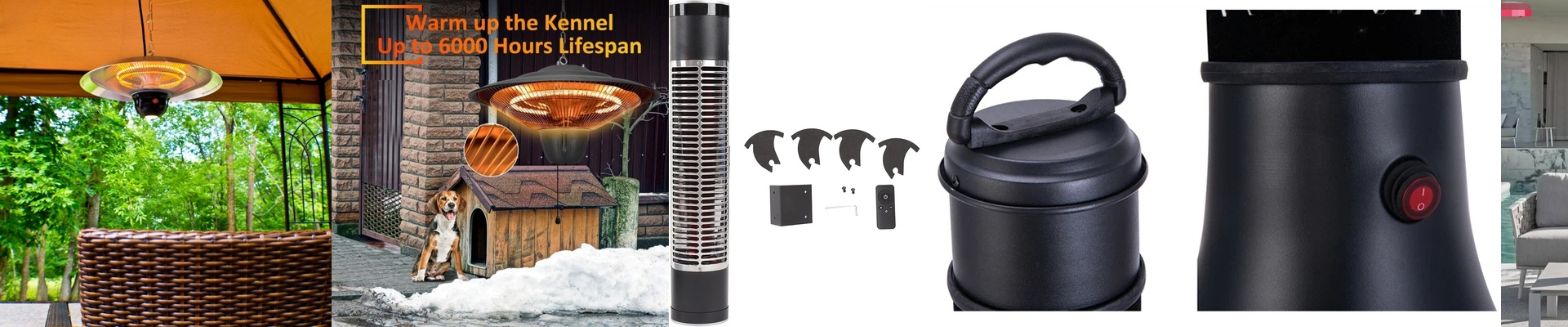
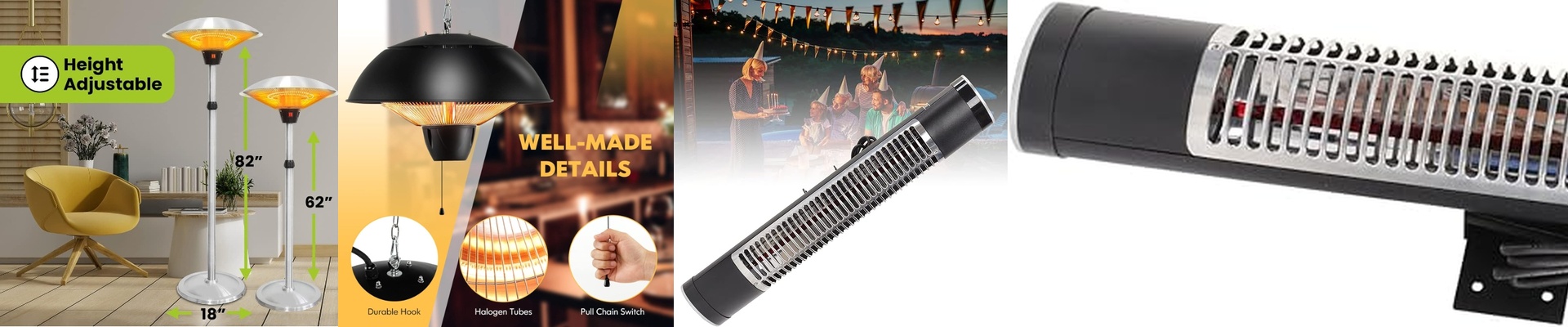
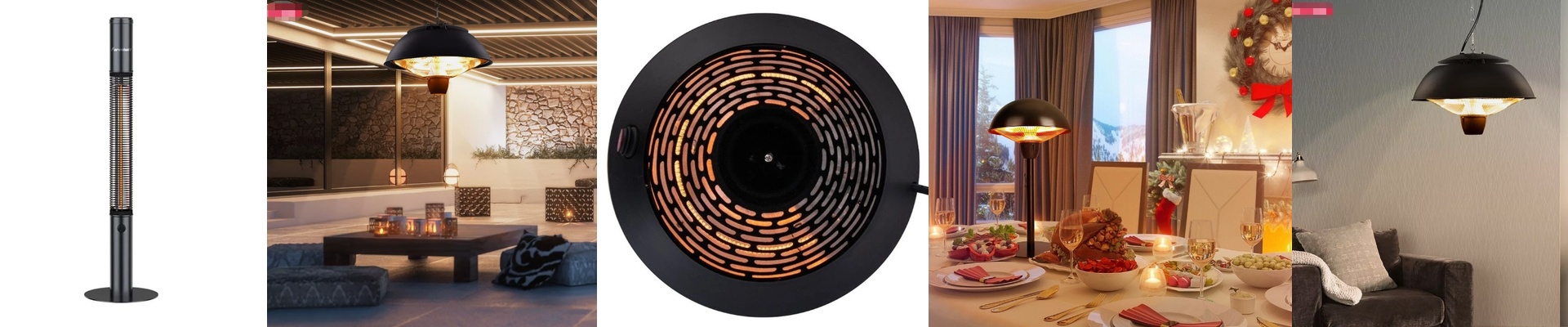
Keeping Your Bathroom Infrared Heaters Safe (And Dry)
Putting infrared heating in a bathroom is a great idea, but it’s also a bit of a gamble if you aren’t careful. You’ve got steam, splashes, and humidity—basically everything electricity hates. If water finds a way in, you’re looking at short circuits or worse. That’s why we don’t mess around with the housing. We use IP65-rated enclosures. In plain English? It means the unit is built to keep the wet stuff out.
Making Sure the Power Stays Put
The goal here is simple: keep the electricity inside the wires and away from everything else. We use ceramic insulators at the lamp terminals because they’re great at blocking leaks. To make the whole thing truly waterproof, we seal it up with silicone gaskets and waterproof cable glands. It creates a tight bubble around the wiring so steam can’t sneak in and cause trouble. We also run dielectric strength tests. It’s basically a stress test to make sure the insulation doesn’t snap under a voltage spike.**One big tip:**make sure your grounding wire is actually bonded to the metal housing. If you skip that, you’re relying entirely on the seal, and that’s a risky way to live.
The Heat vs. Moisture Struggle
Here’s the tricky part. Infrared lamps get incredibly hot. When you wrap that heat in a sealed IP65 box, the heat has nowhere to go. To fix this, we use quartz or tempered glass shields. They let the heat radiation pass through to keep you warm, but they act like a wall against water. But there’s a catch. Since the unit is sealed, there’s no airflow. If you cram a high-wattage lamp into a tiny box, the inside is going to bake. You have to do the math on thermal dissipation, or you’ll end up frying your wiring insulation way sooner than you should.
Getting the Install Right
You can have the best heater in the world, but if your wiring is sloppy, it doesn’t matter. Use moisture-resistant cabling for everything. If your junction box fails, that fancy IP65 rating on the heater is basically useless. I always recommend using heat-shrink tubing with adhesive linings on any external connections. It keeps the whole system airtight and gives you some real peace of mind.