
Getting Your Bathroom Heat Just Right
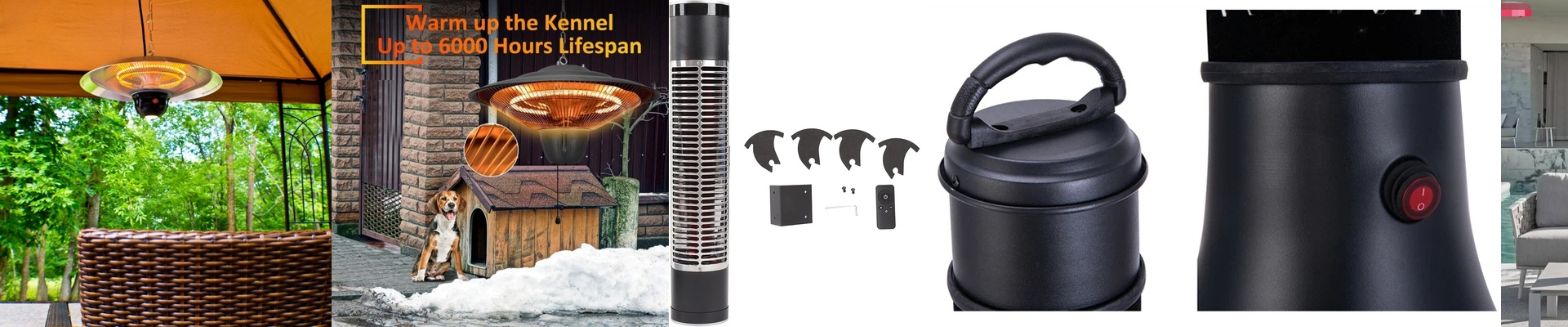
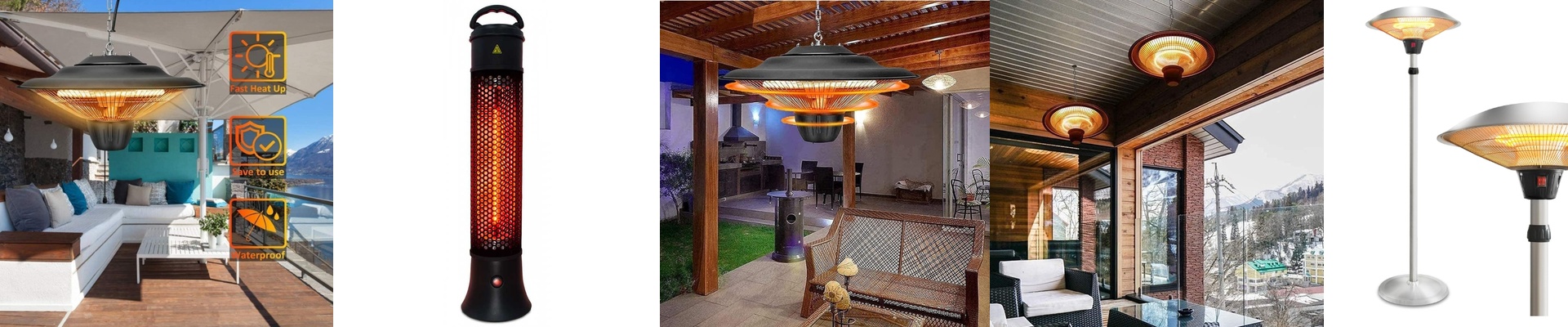
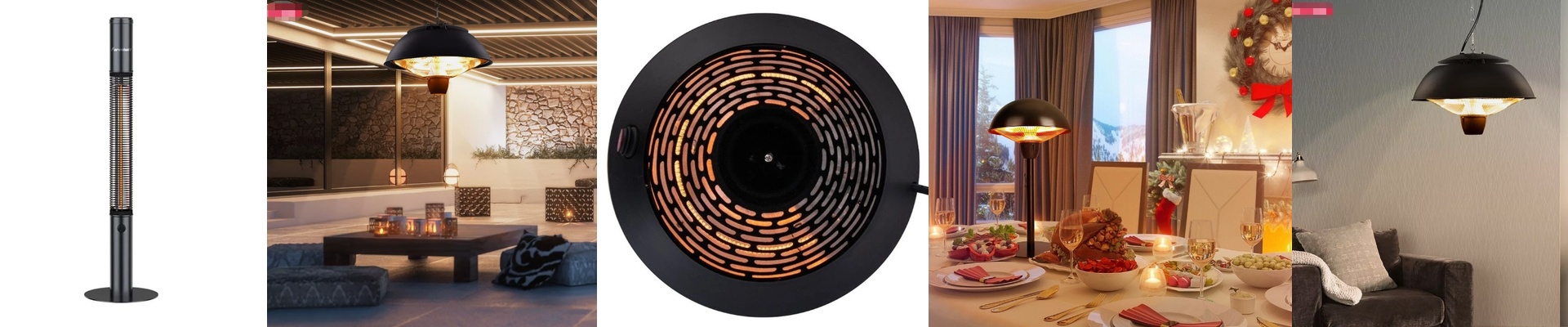
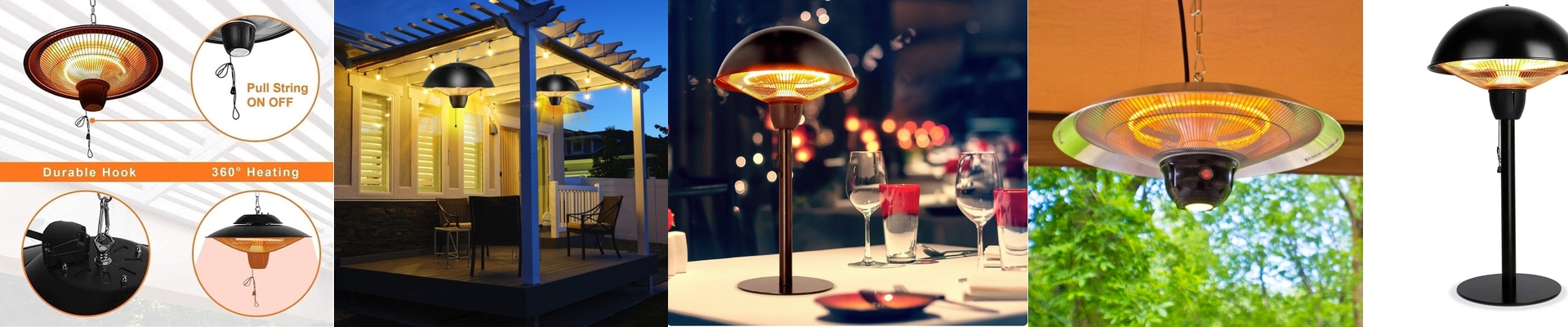
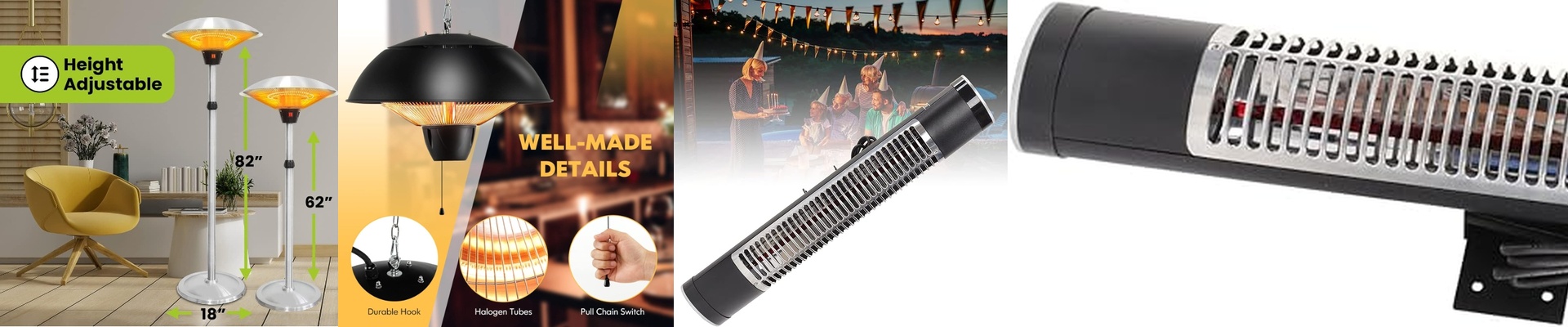
When it comes to infrared lamps, bigger isn’t always better. I’ve seen way too many people cram a massive 1200W lamp into a tiny powder room. It doesn’t feel like a cozy spa; it feels like a sauna that’s trying to bake you alive. Plus, you’re just throwing money away on your electric bill. The trick is to look at how much space you’re actually trying to warm up. If you’ve got a small bathroom—anything under 5m²—you really only need a 400W to 600W short-wave lamp. It’ll warm your skin almost instantly without making the whole room feel stifling. For those mid-sized bathrooms (around 5-10m²), go for something in the 800W to 1000W range. Now, if you’re dealing with a huge, open-concept luxury bath over 12m², one lamp just won’t cut it. You’ll end up with “cold spots” where you’re shivering in one corner while the other is roasting. Your best bet is to wire up a few 1200W units in different zones. It keeps the heat even and doesn’t overload your circuit. A few things to keep in mind before you install. First, don’t cut corners on the waterproof rating. You need IP44 or higher. We use quartz glass envelopes because they can handle the shock of turning on in a damp, cold room without cracking. Also, be careful with where you mount the lamp. High wattage means intense heat. If you hang a 1200W lamp too low, you’re risking a nasty burn. If you mount it high up on the ceiling, you’ll need that extra power to make sure the heat actually reaches you down on the floor. It’s all a balancing act. And a quick tip on the bills… Don’t just trust the thermostat on the lamp. Pair it with a PIR motion sensor. Here’s why: infrared lamps heat objects, not the air. They’re warming you, the tiles, and the walls. The second you walk out the door, there’s no point in continuing to heat the porcelain. A motion sensor kills the power the moment the room is empty, which is the easiest way to keep your energy costs down.