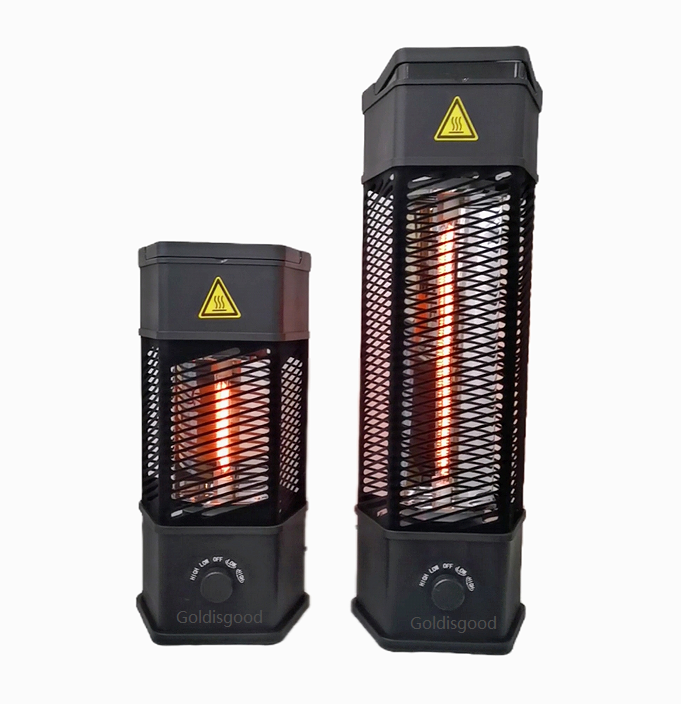
Making Your Patio Warm (Without the Hassle)
We build our infrared heaters to take a beating from the rain and dust—that’s what the IP55 rating is all about. But the real magic happens when you stop messing with wall switches and just let your smart home handle the heavy lifting. The goal is simple: you walk outside, and it’s already warm.
Heat That Actually Hits You
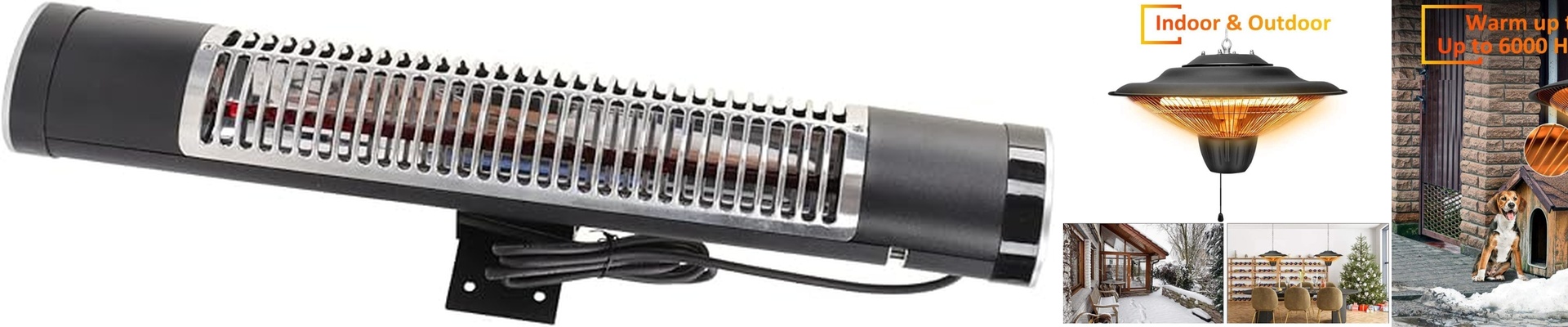
Most heaters try to warm up the air, which is a losing battle outdoors because the wind just blows the heat away. These units are different. They use short-wave infrared, meaning the heat goes straight to you and your guests. It’s fast. Really fast. The second your smart system flips the switch, you feel the warmth. No waiting around for an oil radiator to slowly wake up. It’s just… on.
Setting It and Forgetting It
If you want your patio to feel cozy the moment the temperature dips, just hook the heater up to a Zigbee or Matter relay. You can set a sensor to keep an eye on the weather; once it hits 15°C, the heat kicks in automatically. Now, about the build. The IP55 shell keeps the guts of the machine dry and safe from splashes. It’s a solid baseline for most people. But if you live right on the coast where the salt air eats everything, definitely double-check your mounting brackets. Salt is brutal.
A Few Things to Watch Out For
Here is the catch: these lamps pull a lot of power. If you try to cram four 2000W units onto one circuit, you’re probably going to trip your breaker. It’s a headache you don’t want. Do yourself a favor and run dedicated circuits. And remember, infrared is line-of-sight. If there’s something blocking the beam, you won’t feel a thing. Placement is everything here. Don’t mount them too high, or the heat will vanish into the night sky before it ever reaches your shoulders. Keep them positioned right, and you’re golden.