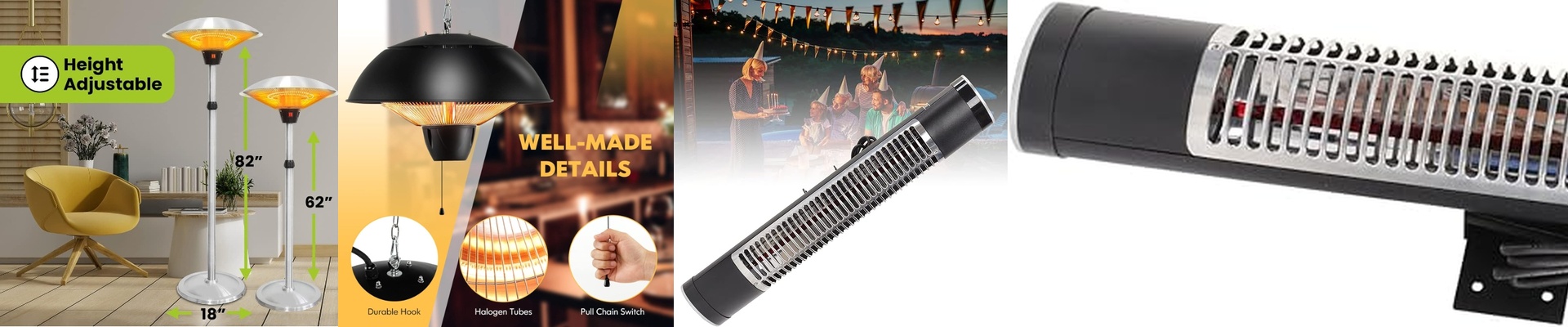
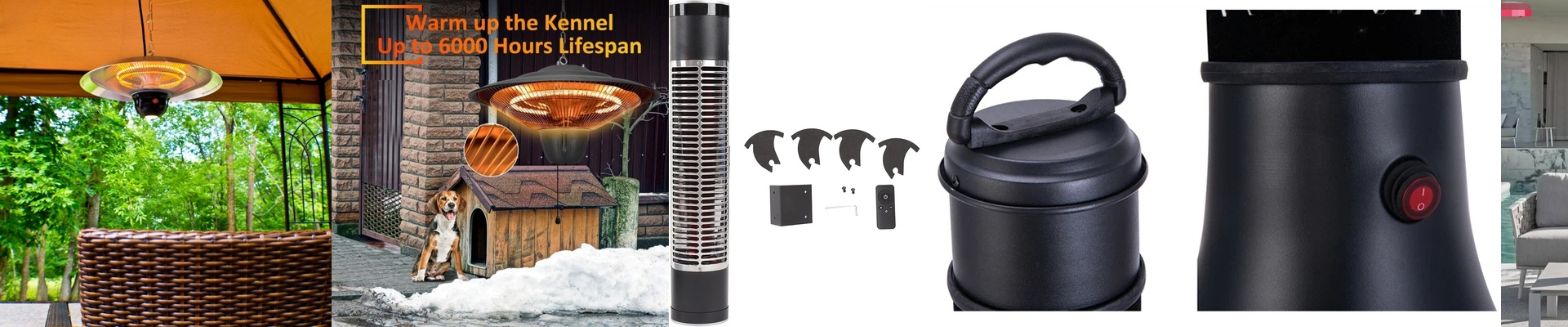
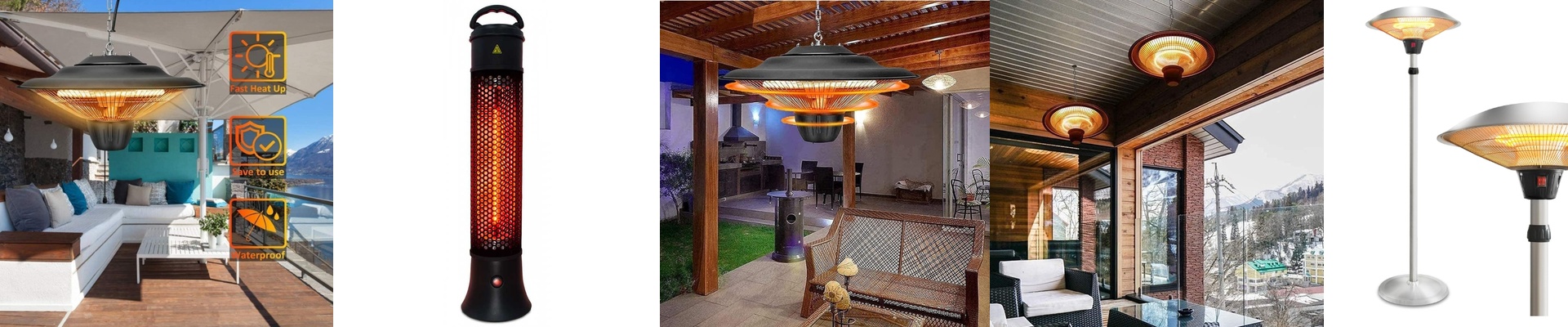
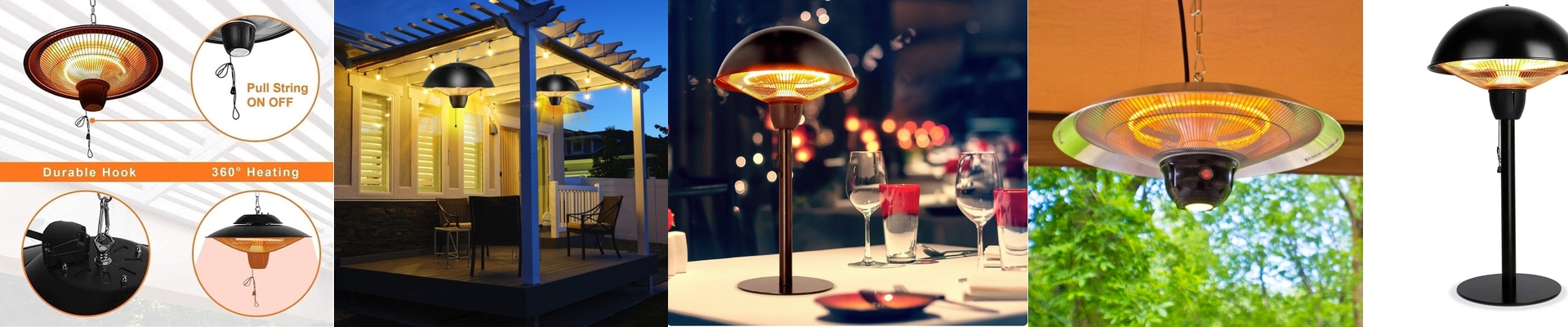

Let’s be honest: ceiling heaters in industrial spaces usually have a pretty short life. Between the steam, the mist, and the occasional random water splash, most of them just can’t hack it. One bad leak or a humid afternoon and you’ve got a short circuit or a fried heating element. We got tired of seeing that happen, so we built a new series to actually survive the environment. Dealing with the damp Most infrared lamps are just too fragile. When a drop of water hits a scorching hot quartz tube, it causes “thermal shock.” Basically, the glass cracks. It’s a nightmare. To fix this, we tucked everything into an IP-rated housing. It acts like a shield, keeping the electrical guts and the lamp itself away from the water. We also tackled the fogging issue. We added hydrophobic coatings to the grids so condensation doesn’t pool up. When water can’t sit on the lens, the heat keeps flowing exactly how it should. The honest trade-off Now, here is the catch. To make these things waterproof, we had to add gaskets and protective shells. This makes the unit a bit bulkier. You also lose a tiny bit of raw heat—maybe 5%—compared to a bare lamp. But we’re okay with that. I’d much rather lose a sliver of efficiency than have the whole system burn out because a pipe leaked overhead. Setting them up We used sealed cable entries, so once you wire them in, you can stop worrying about moisture creeping into the junction box. Just a tip: if you’re putting these in a really damp spot, make sure your mounting brackets are corrosion-resistant. These heaters are built to take a beating in warehouses and food plants. By keeping the elements isolated from the chaos of the room, they last way longer. That means you spend a lot less time climbing ladders and a lot more time actually running your business.