Keeping Your Bathroom Warm and Safe—No Compromises
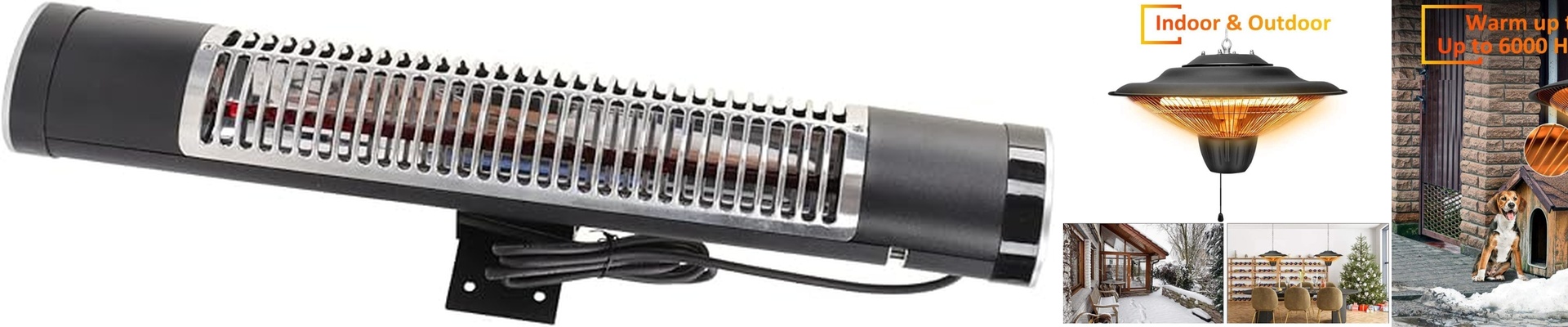
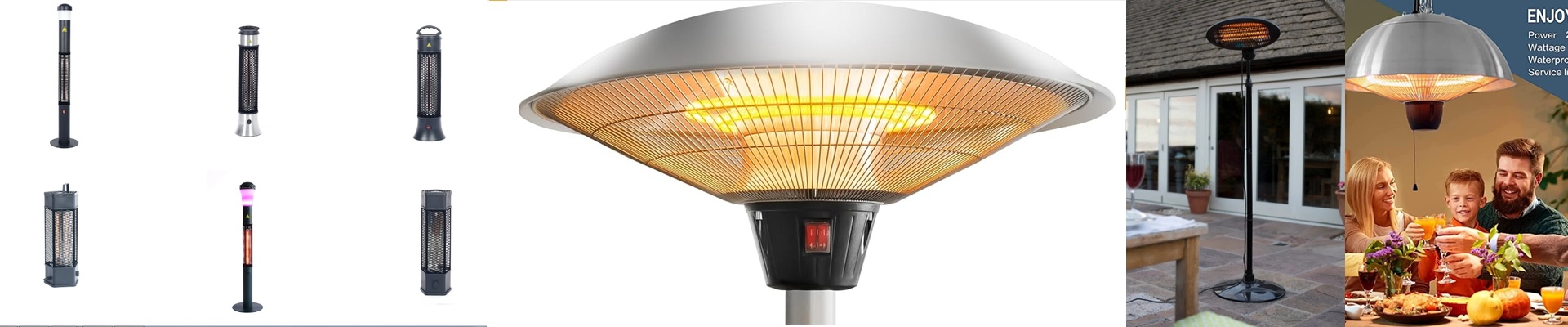
We build industrial infrared heaters for one simple reason: to deliver intense, focused heat exactly where you need it. But when that place is a damp bathroom, the game changes. Suddenly, it’s not just about heat output. It’s about building a sealed fortress around the electronics so you can trust the electricity stays completely isolated.
What’s Under the Hood
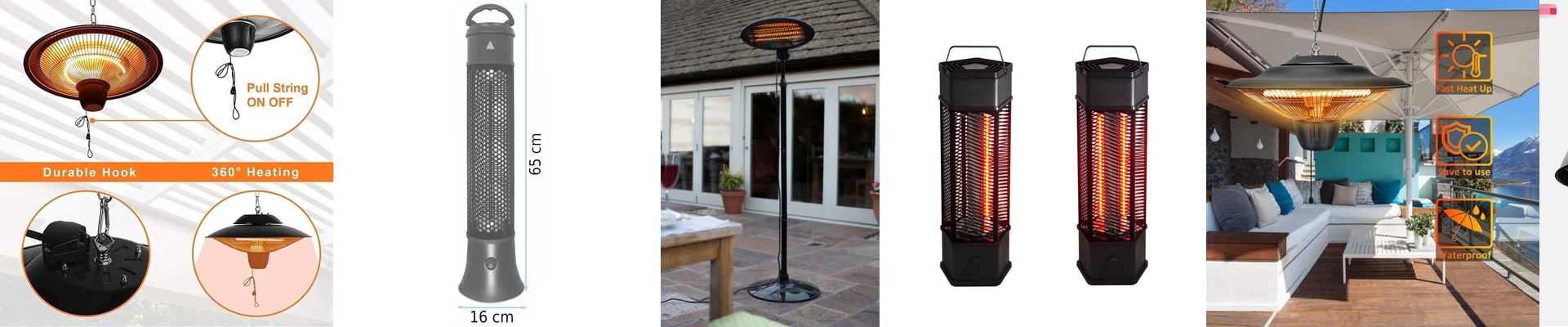
Inside these heaters, you’ll find a tough halogen core, typically running at 230V or 400V, with power ranging from 1500W to 2500W. That kind of power isn’t just about getting hot—it warms surfaces directly, not the air. And that matters in a humid bathroom, where heating the air just feels like fighting a losing battle against condensation. The size? We use a common 300mm tube. It’s a careful balance—big enough to fit standard fixtures, but shaped so the ceramic body gives you a long, safe path that resists any chance of current leakage.
The Safety Secret
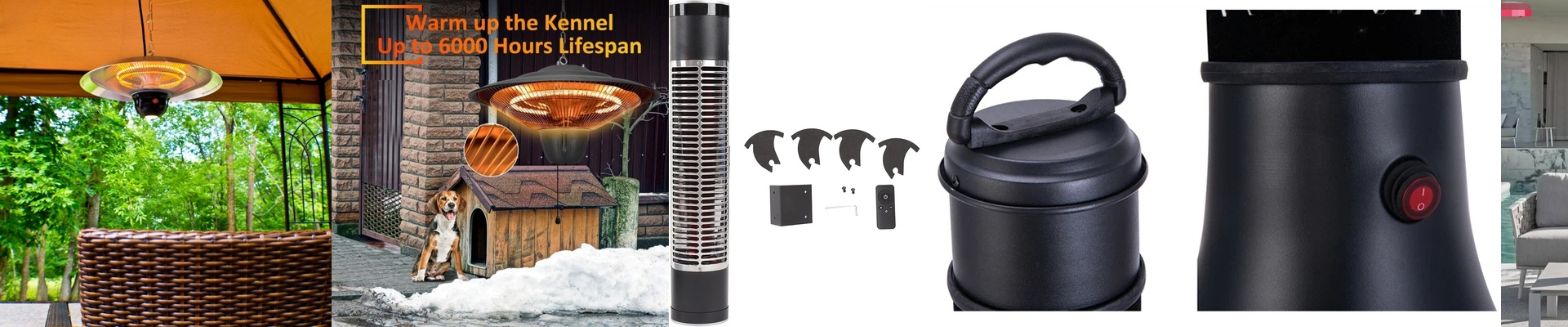
The heart of the safety story is the quartz tube. It’s naturally non-conductive, which is already a huge win. Then we add a special high-temperature coating that acts like a second dielectric shield, sealing the element away from the outside air. That two-layer approach is what backs up our claim of 100% electrical isolation. And connectors? We don’t cut corners with household plugs. We spec industrial-grade R7s or SK15 terminals—built with strong ceramic insulators and locking mechanisms that keep moisture out and the connection steady, even when things vibrate.
The Bathroom Reality Check
Let’s be honest: water and electricity in a bathroom is a bad mix. So we treat the whole unit like a sealed, IP-rated system. Thanks to the quartz body and that protective coating, water simply can’t reach the live element. You can feel that peace of mind when you flip the switch—no second-guessing, no “what if.” Now, there is a trade-off: heat. Pushing a 2500W halogen tube at full power creates a lot of it. So you need to plan for thermal management—make sure the mounting fixture and the surrounding area have enough airflow or heat shielding to handle the temperature rise. This isn’t a plug-and-play consumer gadget. It’s industrial equipment, and it demands proper engineering to run safely and reliably in wet conditions. But when it’s set up right, it’s exactly what a damp bathroom needs: warm, direct, and dependable.