
Stop Letting Your Heating Elements Kill Your Yield
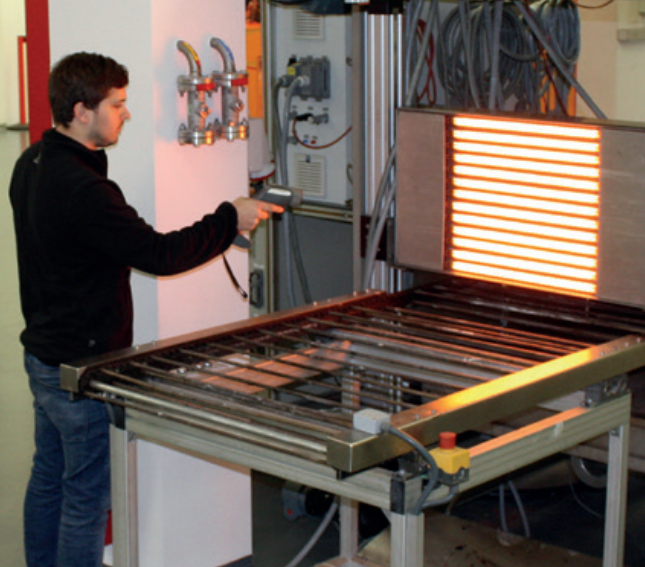
If you’re running a Class 100 cleanroom, you already know the nightmare. One tiny flake of material or a bit of off-gassing from a heating element, and your whole batch is toast. It’s frustrating. We decided to fix this by switching to high-purity synthetic quartz for our infrared lamps. Why the quartz matters Here’s the thing: most glass just can’t handle the stress. It cracks when the temperature jumps around. But this fused silica we use is different. It’s incredibly pure, so you don’t have to worry about metallic ions or random particles drifting into your work. Plus, it’s chemically inert. You can hit it with your usual rinse agents and cleaning chemicals and it won’t even flinch. Handling the wet stuff Getting a lamp to survive a rinse cycle is a total pain. Usually, moisture sneaks into the filament housing and—pop—your lamp is dead. We tackled this with specialized gaskets and sealed end-caps. It keeps the water out and the heat in. The best part? You can run your rinse and heat cycles back-to-back without having to swap out your hardware. It just works. The heat trade-off These lamps pack a punch. They use shortwave IR energy, which means they ramp up fast and soak deep into the substrate. It saves a ton of time. But there’s a catch. Because the quartz tube gets so incredibly hot, you can’t just cram it into a tight space. If your housing is too snug, you’ll end up overheating your chassis. Just make sure your airflow and cooling are dialed in to handle that radiant heat. Getting it installed We made these “drop-in” replacements because nobody likes a complicated install. We also tightened up the connectors to stop them from wiggling. Vibration is a silent killer in industrial ovens—it leads to arc-faults that shut everything down. By keeping the mechanical interface clean and tight, you can get the lamps in place without accidentally introducing contaminants into your environment.