
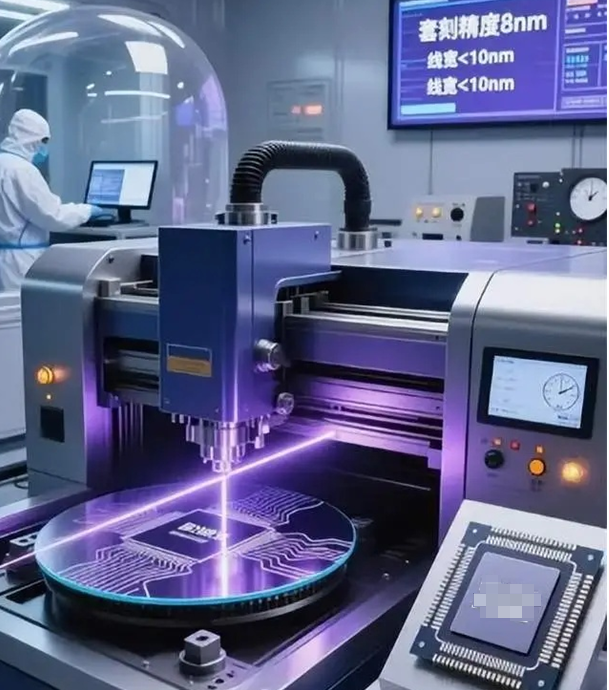
Why We’re Moving Away from Hot Air in Semi Processing
Most semiconductor lines are still stuck using hot air circulation. It gets the job done, sure, but it’s painfully slow. Think about it: you’re heating up the air just so the air can heat up the part. It’s a middleman you don’t need, and it creates a huge lag in your timing. That’s why so many of us are switching to infrared (IR). IR doesn’t mess around with the air; it just beams energy straight into the substrate. It’s all about the clock. With hot air, you’re fighting physics. You have to wait for the entire chamber to hit a specific temperature before the part even begins to warm up. It’s a waiting game. IR is different. It’s basically “instant-on.” You hit the target temp in seconds. When you cut that ramp-up time, your cycle time per wafer drops significantly. That’s the real reason people are making the jump. A quick warning on your wiring. Here is where things can go wrong. You can’t just throw standard PVC or silicone wiring anywhere near these IR arrays. The radiant heat is brutal—it’ll melt a standard jacket in a matter of hours. We always use Teflon (PTFE) coated wire. It can handle the heat inside a semiconductor tool without cracking or releasing weird gases. It’s the only way to make sure your circuits actually stay intact when the heaters are cranking at full load. The trade-offs. Now, IR isn’t magic. It’s directional. Hot air wraps around a part like a blanket, but IR is more like a flashlight. If your lamp placement is off, you’ll end up with cold spots. If you’re dealing with a complex part shape, you’re going to need an array of lamps hitting it from different angles. You also have to keep a close eye on the surface. Because IR is so intense, you can accidentally scorch the top of the substrate before the core even gets warm. If you want to push out more product without buying more floor space, IR is the way to go.