Introduction
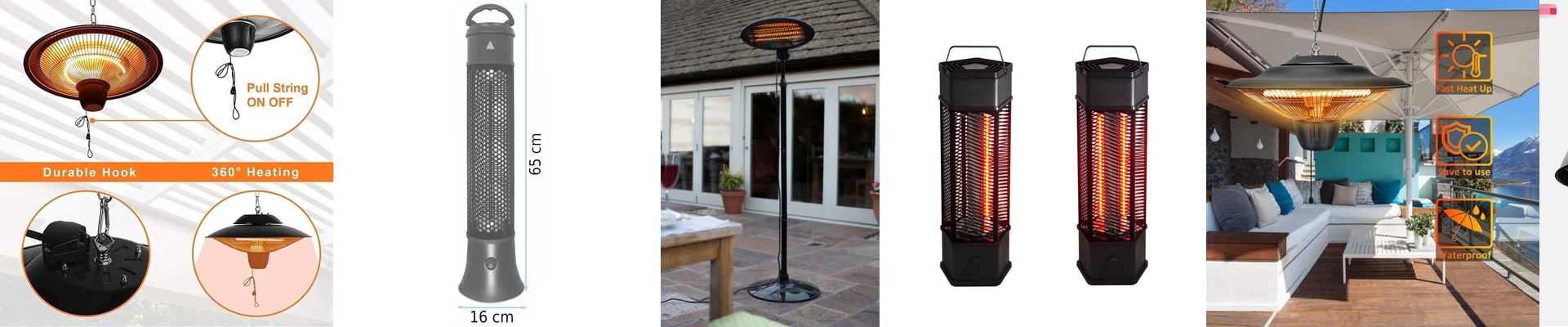
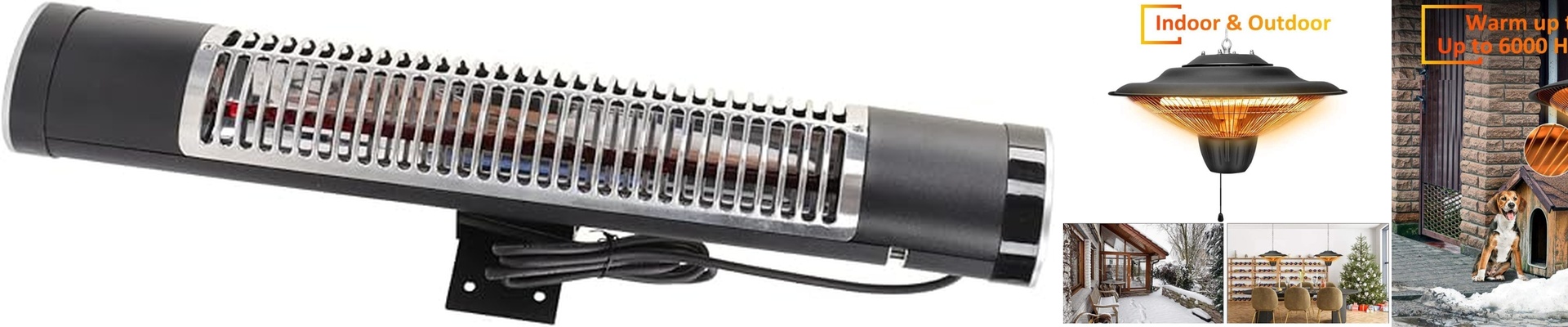
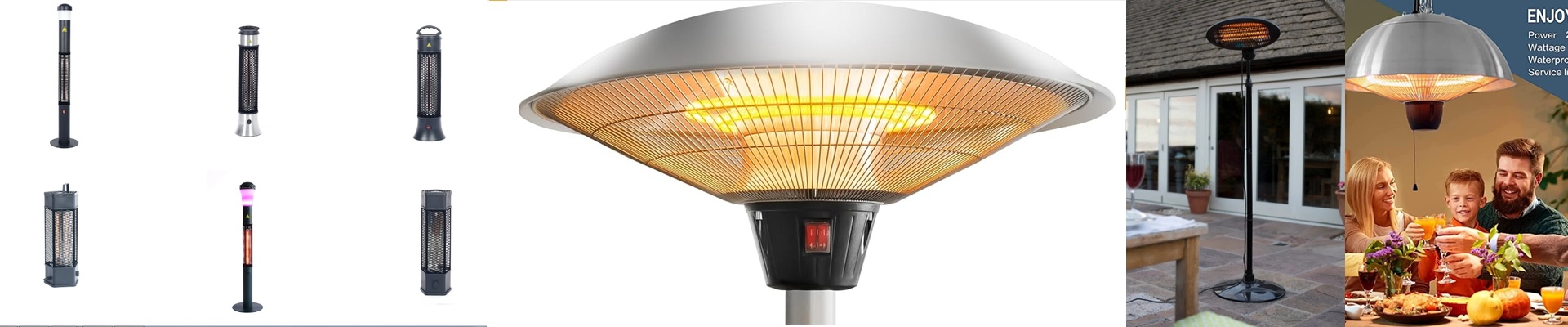
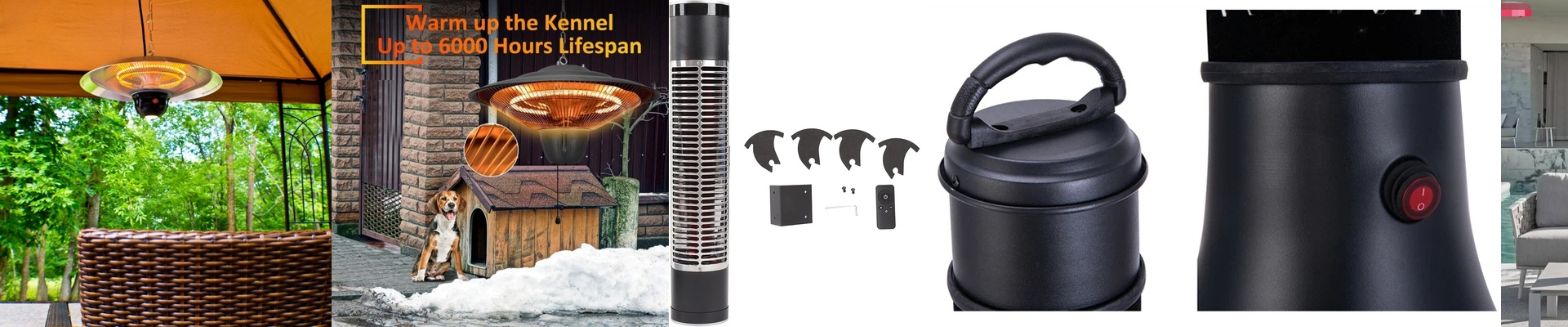
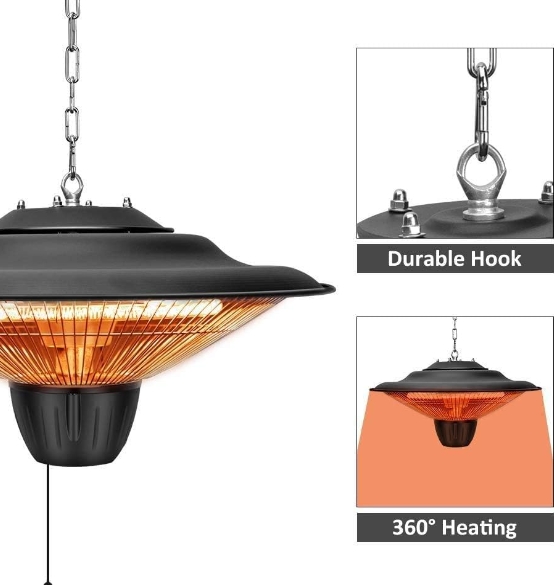
We build space heaters for the places where “cozy” is a joke. Seriously—these are the beasts you bring in when the air itself is just plain hostile. They’re direct-radiant heaters, meaning they don’t mess around. They throw intense, focused heat right where you need it—spot heating a massive workshop, a service bay, or a production line that never stops. We built them for one thing: raw, dependable power, day after day.
The Inside Story
Let’s talk specs, but the real-world kind. These units run on a standard 400V three-phase connection. That’s the good stuff, the industrial power that lets you crank out serious wattage without tripping breakers on a standard 120V or 240V line. We’re talking about 2500W of output. That’s a lot of radiant heat, enough to blanket a large area. And that 300mm tube? It’s the sweet spot. We made it compact so it doesn’t take up a ton of space, but wide enough to spread the heat out evenly across the work you need to do.
What It’s Built From
Under the hood, you’ve got a halogen heating element tucked inside a quartz tube. The halogen gas keeps the element stable, even when it’s glowing white-hot. It resists burning out and just keeps delivering steady heat. The quartz tube is a workhorse, too. It handles sudden temperature changes without cracking and lets that infrared energy pass through cleanly and efficiently. And the R7s connector? It’s the industry standard for a reason. It’s a secure, high-temp connection that’s a breeze to wire and even easier to replace if you ever need to. It’s a simple, plug-and-play part you can swap out on the spot.
What This Means for You
Out there on the floor, this setup solves a real headache: getting heat where you need it, fast. These heaters warm up people and equipment directly, not the air around them. That’s a huge energy saver. But here’s the trade-off, and it’s an honest one. This much concentrated heat means you need proper clearances and a solid ventilation plan. You’ve got to make sure the cooling system is up to the task of handling the temperature rise in the space. For the folks who have to engineer these spaces, it means one thing: a tough, reliable heat source that can take the punishment of a hard day’s work.