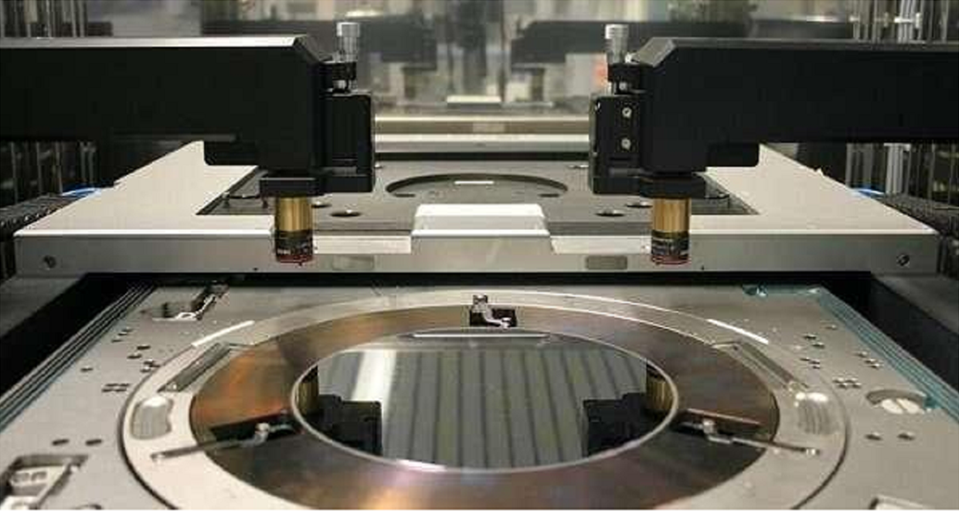
On the fab floor, photoresist bake isn’t a suggestion—it’s a spec. Let me put it plainly: a 2°C drift in soft bake temperature will move your critical dimension bias, and that kind of miss doesn’t stay small. It multiplies fast. The clear quartz infrared 2700W tube was built to take that variable off the table. What matters, technically Run it at 2700W and you get heat that comes up fast and stays stable—no thermal lag to fight. Infrared emission hits the target directly, so you’re not wasting time heating the ambient. That keeps the thermal budget predictable. Quartz gives you high purity and low outgassing, and the clear body keeps optical transmission consistent, so the radiative transfer behaves the way you expect shift to shift. The payoff: ±0.1°C steady-state uniformity across the bake zone. Why it fits lithography and photoresist processing In lithography and photoresist processing, you can’t pick one of uniformity or cleanliness—you need both. This tube sits comfortably in Class 1–100 cleanrooms and is engineered for zero particle generation. So you’re not chasing yield loss from contamination during soft bake and hard bake. The 2700W output shortens ramp time, tightens cycle time, and helps keep the process window stable lot after lot. And because the heat is delivered on demand, you’re not dumping energy into the frame. What you need to get right on install Installation comes down to clearance and reflector alignment—those are the levers that hit the ±0.1°C uniformity target. Double-check socket compatibility, mounting, and airflow against the tube’s thermal profile. Mismatched airflow will introduce gradients, and you’ll be troubleshooting the wrong thing. Plan replacements around PM windows. Quartz is tough, but it still ages. Match the tube to the process, and the process stays in control.