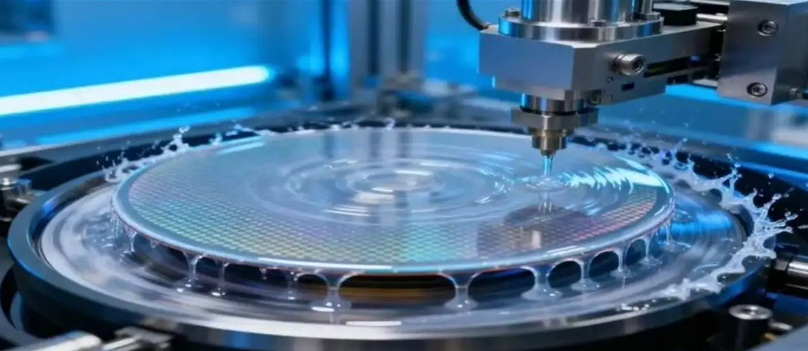
On the fab floor, a 0.5°C drift in bake temperature can shift a photoresist profile by nanometers. That’s all it takes to lose linewidth control and scrap a lot. Quartz halogen heating bulbs are the thermal anchor in this game, built to keep the thermal budget where it belongs—on the wafer. What matters, technically, is the heat delivery. Quartz halogen bulbs give you rapid, radiant heating with stable spectral output, so you can hold the soft bake and hard bake steps right where they need to be. The quartz envelope stays clean through repeated thermal cycling, which keeps outgassing and particle generation low. You can hit wafer-level temperature uniformity of ±0.1°C when the bulb geometry, reflector design, and closed-loop control are matched to the hot plate or track oven. The specs that actually move the needle: watt density matched to chamber mass, fast thermal response, and consistent emissivity across the lamp life. These aren’t abstract numbers—they’re the levers that keep CD and sidewall angle inside spec. In Class 1–100 cleanrooms, contamination control isn’t optional. Quartz halogen bulbs keep things clean with low particle shedding and reliable ignition, so yield stays steady lot after lot. Photoresist baking becomes repeatable: the same temperature profile, run after run, which cuts down on rework and requalification. Fast ramp-up means less idle time and lower energy per batch, and stable output keeps drift-related excursions from sneaking up on you. The payoff is fewer unplanned stops, predictable maintenance windows, and a clear line of sight to spec. Here are a few things to keep straight. Installation needs tight alignment to the hot plate surface and solid thermal coupling—mismatched spacing will create hot spots and kill uniformity. Verify voltage tolerance and connector compatibility with the OEM track or oven. Plan replacements based on hours and output stability, not just when the lamp fails. Aging lamps drift, and that drift shows up as CD variance before it ever throws a lamp fault.