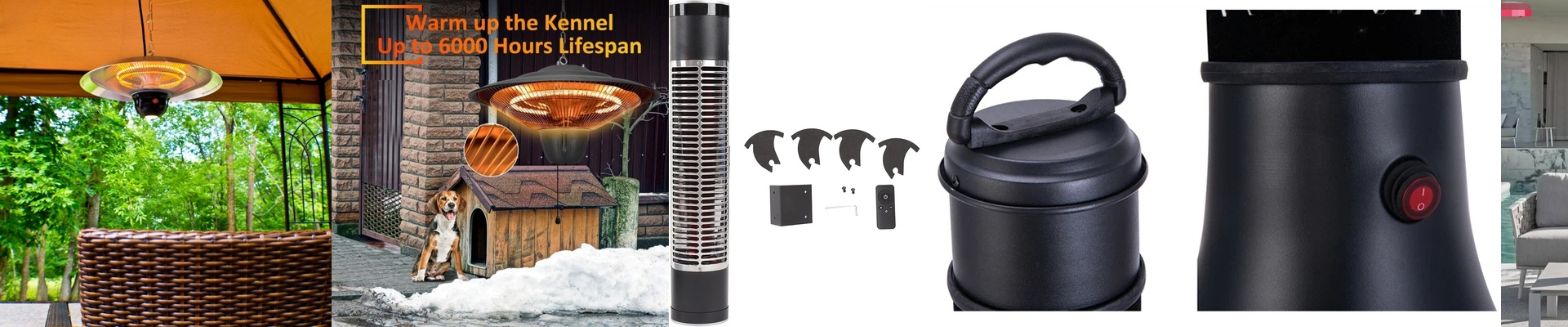

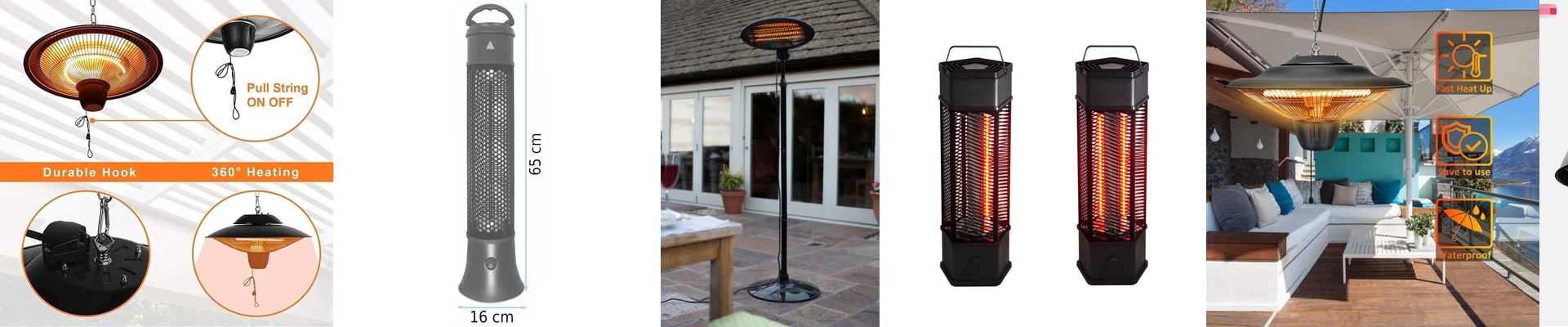
The bathroom is a quiet, steamy, slippery place—especially in winter. Leave wet boots by the tub and the floor turns into a hazard. Damp towels and socks start to smell musty before you even notice. And when the heater can’t keep up, you’re left waiting, shivering, or reaching for a hair dryer that overloads the circuit. In a bathroom, safety isn’t just about warmth—it’s about whether the heating element can hold steady when humidity spikes and water pools.
What matters under the hood
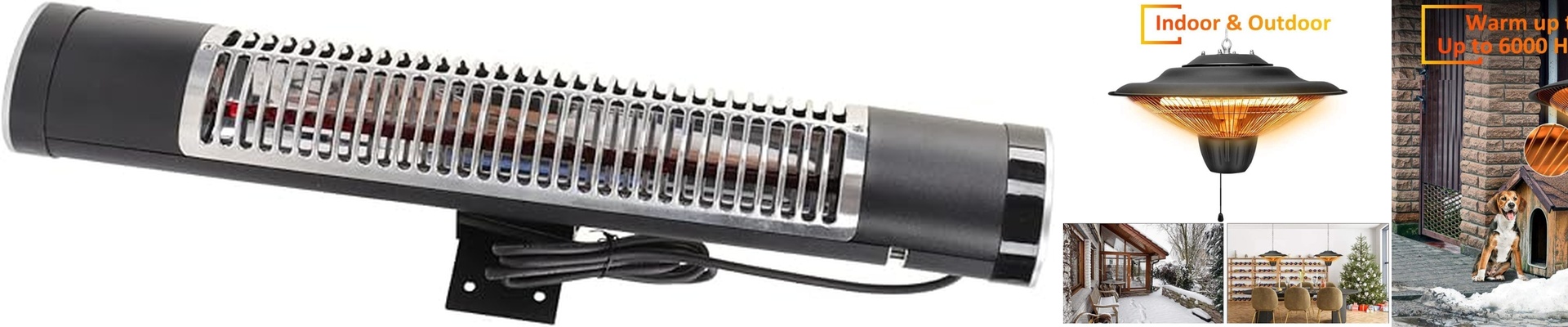
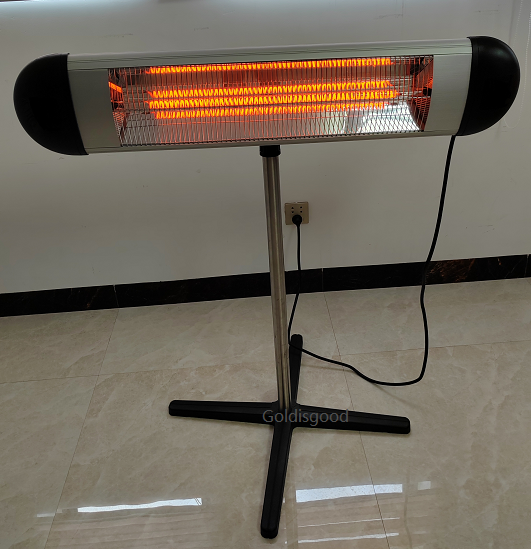
We built this shoe dryer heater around an explosion-proof quartz infrared tube. The quartz envelope takes rapid thermal cycling without cracking, and the internal filament is sealed in a controlled environment. If water splashes nearby, it won’t flare outward. The heat is radiant—focused outward, not dumped into the air. That means the energy goes where you point it, so you’re not fighting condensation from warming air. In practice, drying happens fast: shoes feel warm within minutes, and damp gear starts releasing moisture quickly, without that hot, clammy feel you get from convection.
Why this approach fits a bathroom
Bathrooms are small, wet, and used at the worst times—after a workout, a rainy walk, or a family bath. A standard heater can spend time warming the ceiling while the floor stays cold. Our infrared heater dries footwear and accessories on contact, so the floor stays safer and the room feels drier sooner. The quartz tube is explosion-proof, so you can run it with more confidence in high humidity. And because the heat is targeted, you use less electricity than you would trying to heat the whole room just to dry a pair of shoes.
The details that keep it running
This unit needs a dedicated outlet. Mount it where air can circulate around the shoe compartment, so the infrared path stays clear. It’s designed for indoor use in dry-to-wet environments—not for direct, prolonged spray from a showerhead. For best results, keep the intake area unobstructed and check the power cord regularly. Like any electric heater, it performs best when airflow and connections stay clean and dry.