

Keeping Things Safe When Heat Meets Humidity
Putting a heater in a bathroom or an outdoor wet area is a bit like playing with fire—literally. Between the steam and the splashes, you’ve got a recipe for disaster if you aren’t careful. Water and electricity don’t mix, and sudden temperature drops can make materials snap. To stop that from happening, we rely on a combination of IP66-rated housing and explosion-proof quartz. Here is how it actually works in the real world.
Dealing with the Damp
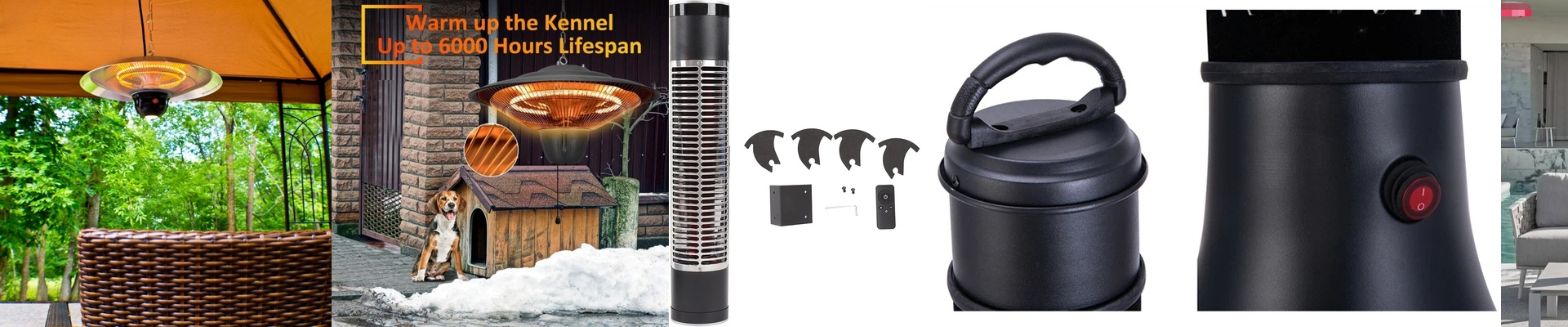
When we talk about an IP66 rating, we’re basically saying the unit is built like a tank. It keeps dust out and can take a direct hit from a powerful water jet without breaking a sweat. We seal the chassis tight so moisture can’t sneak in and fry the electrical terminals. But there’s a catch. That same seal that keeps water out also traps heat inside. If you mount the unit against a flat wall with no breathing room, the internal circuitry is going to bake.**Give it some space.**Make sure there’s plenty of airflow, or you’re just asking for an overheat shutdown.
Why “Explosion-Proof” Quartz?
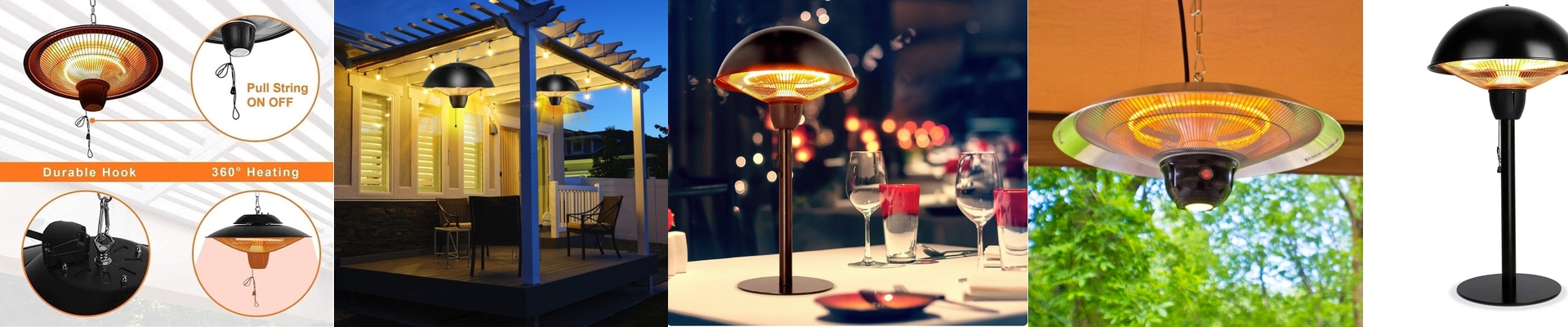
Think about what happens when you throw ice into a hot pan. It cracks. That’s thermal shock. In a humid room, a stray drop of cold water hitting a screaming-hot quartz tube can cause it to shatter instantly. That’s why we use explosion-proof quartz. It’s designed to handle those wild temperature swings and the internal pressure of the halogen gas without flinching. And if the worst happens and a tube does break? The explosion-proof layer catches the shards, so you don’t have glass flying everywhere. It’s all about peace of mind.
Getting it Installed
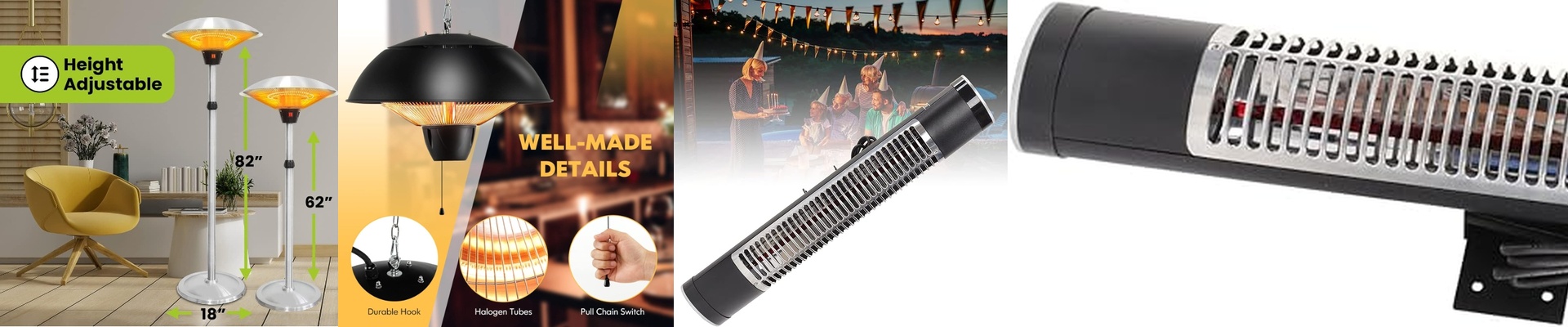
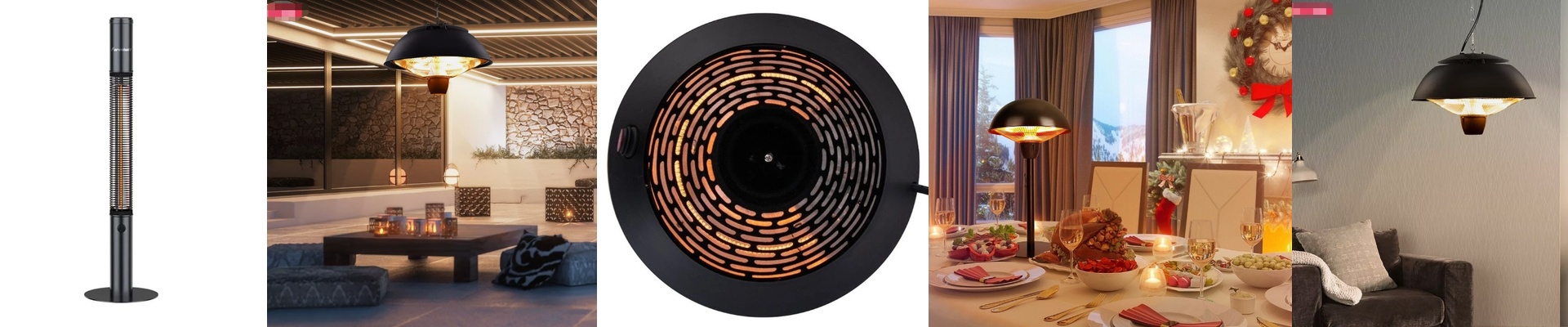
These heaters use short-wave infrared. Instead of trying to warm up all the air in a damp room (which takes forever), they beam heat directly onto you or the surface you’re drying. It’s instant. It’s the only way to actually feel warm in a humid environment. But don’t just wing the wiring. Use high-temperature cables. If you use the cheap stuff, the insulation can melt right where the wires hit the tube mounts. Also, keep an eye on your power draw. High-wattage tubes pull a lot of current. If you’re hooking up a few of these on one circuit,**check your breaker first.**There is nothing more annoying than finishing a beautiful installation only to have the breaker trip the second you turn everything on.