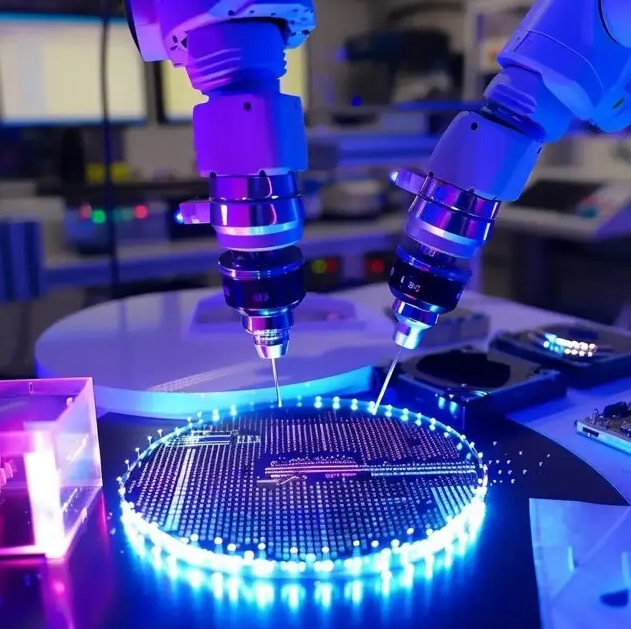
On the lithography floor, a Soft Bake that drifts half a degree is enough to shift critical dimensions and leave photoresist profiles exposed before they even hit the etch. You need heat you can count on, not something that acts like a wildcard run to run.
What matters under the hood
We built the oven heating element around wafer-level control. It holds setpoint stability within ±0.1°C across the wafer plane, so every Soft Bake and Hard Bake gets the same thermal budget, lot after lot. The element stays clean—zero particle generation during ramp and steady state—and it plays by the rules in cleanroom Class 1–100. That tight uniformity is what gives you repeatable bake profiles, and that predictability carries photoresist behavior cleanly through exposure, development, and into the etch.
Why it holds up in a real fab
In high-volume production, this heating element keeps the thermal process where it needs to be: on the wafer. Tight uniformity cuts across-lot variability, trims scrap, and shortens qualification cycles. The design is built for 24/7 operation, with stable output over thousands of bakes—fewer surprises, less unplanned downtime, and fewer spares tied up in inventory. You get consistent photoresist performance without chasing hot spots or temperature drift.
The details that keep it honest
You get the stated uniformity only when the thermal mass and airflow geometry are matched. If you’re retrofitting into legacy ovens, expect to tweak the chamber a bit. Plan for solid grounding and proper thermal anchoring, especially if you’re running high ramp rates—those details are what keep repeatability from slipping. Set it up right, and the element delivers long service life and predictable preventive maintenance intervals.