Stop Your Wafer Curing System From Turning Into an Oven
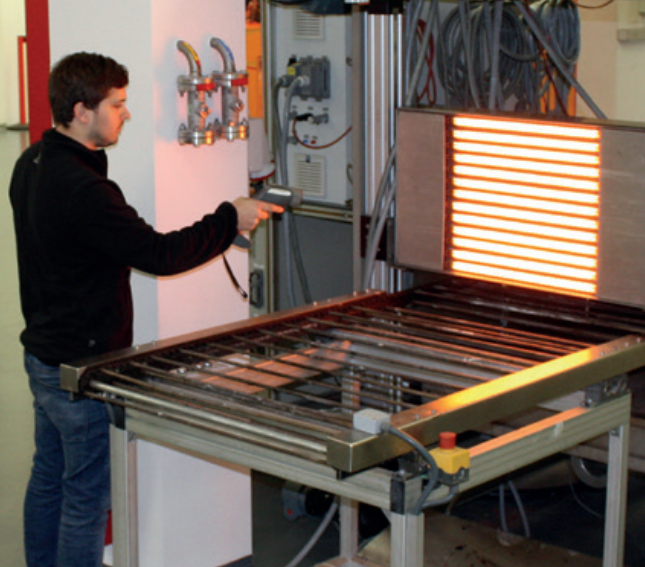
If you’re running high-wattage IR lamps for wafer curing, you know the struggle. Heat doesn’t just go where you want it to. Without a solid reflector, that IR radiation just bounces everywhere. Suddenly, the inside of your expensive tool is acting like a giant heat sink. The chassis walls get hot enough to actually burn someone, and your sensitive electronics start acting up because of the thermal drift. It’s a mess. Getting the heat to actually go where it belongs The fix is pretty simple: we use precision reflectors to push that IR energy into a tight, directional beam. Think of it as focusing a flashlight instead of letting a bare bulb light up the whole room. Instead of letting heat leak into the machine housing, the reflector kicks those photons straight onto the wafer. You get the surface temperature you need for a perfect cure, but the air and the metal frames stay cool. The nuts and bolts of the materials Most of the time, we stick with high-purity aluminum. It’s the reliable workhorse for most curing lines and gets the job done. If you’ve got a bigger budget and need absolute max reflectivity for short-wave or medium-wave IR, you can go with gold-coated substrates. It’s pricier, but it performs better. One thing to watch out for: the geometry has to be spot on. If the curvature is off by even a couple of millimeters, you’ll get hot spots on the wafer. And as anyone in the lab knows, a few hot spots can trash an entire batch. The trade-offs you should know about Now, directional heating fixes the “hot wall” problem, but it does make the heat much more intense on the wafer itself. If you pair a high-power lamp with a tight reflector, your ramp-up time will be incredibly fast. But be careful—it’s easy to overshoot your target temperature. To keep things stable, you’ll want a fast PID controller and you’ll need to be obsessive about your distance spacing. Also, don’t just “set it and forget it.” Mechanical vibrations happen. Give your reflector alignment a quick check every few months just to make sure everything is still pointing exactly where it should be.