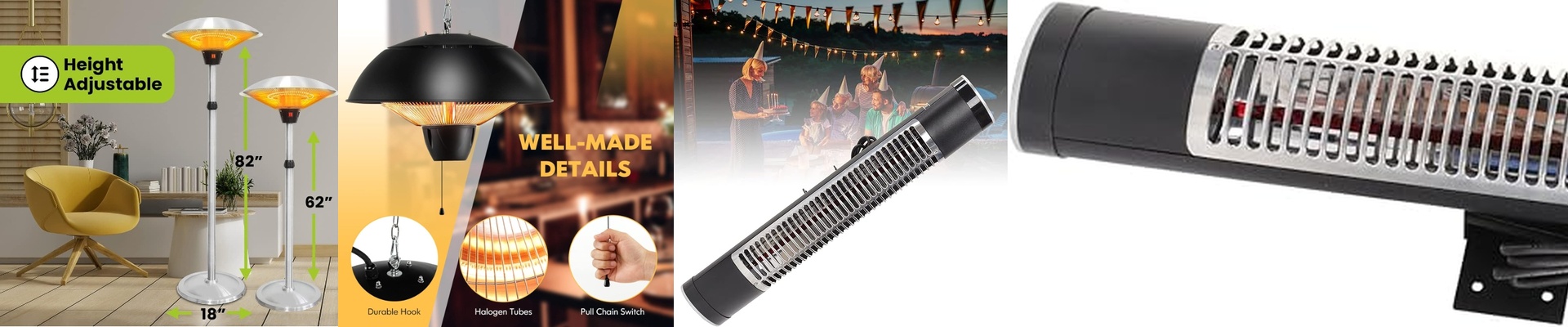
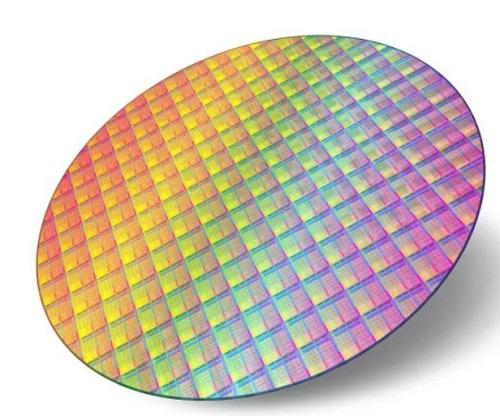
If you’re still using hot air circulation to cure and dry your bio-sensors, you’re probably feeling the drag. It’s a slog. Here’s why: convection is slow. You basically have to heat up every single cubic inch of air in the chamber before your substrate even starts to feel the warmth. It’s a waste of power, and more importantly, a waste of your time. The shortcut is Infrared (IR). IR lamps flip the script. Instead of heating the air, they send radiant energy straight into the material. It’s basically “instant-on.” In the world of semiconductor processing, this is huge. We’re talking about cutting ramp-up times from minutes down to a few seconds. When you’re pushing high volumes, shaving just 30 seconds off a batch clears a massive logjam in your production line. It just breathes. To make this work for bio-sensors, we lean on short-wave IR arrays. These lamps hit a very specific spectrum—the kind that polymers and sensor chemicals actually “want” to absorb. You get an intense hit of heat right where you need it on the surface, without turning your entire machine chassis into an oven. But look, it’s not a magic wand. There are quirks. Since IR travels in a straight line, you have to deal with “edge effects.” If your lamp geometry is off, the edges of your wafer can get scorched while the center is still chilling. You can’t just plug it in and walk away; you’ll need to dial in your distance and use a solid PID controller to keep things from burning. At the end of the day, if you’re moving toward high-precision fab, IR is the way to go. It shrinks your curing station’s footprint and kills the time cost per unit. Get the wiring right, nail your heat zones, and you’ll see those cycle times drop almost immediately.