Getting Hydrogen Sensor Fabrication Right with IR Heating
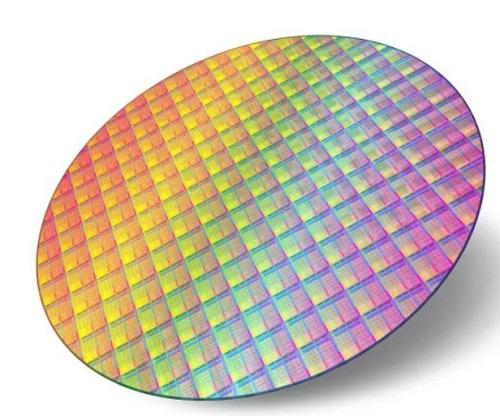
If you’ve ever worked with hydrogen sensors, you know the struggle. Getting the membrane stable and the catalyst to actually stick requires a thermal profile that’s spot on. There’s no room for “close enough.” That’s why we stick with short-wave infrared (IR) systems. The magic here is that the energy goes straight into the material. It doesn’t waste time heating up the air around it, which is exactly what you need when you’re dealing with the tight tolerances of a modern Fab plant. Speed and Control In this business, waiting is the enemy. You need to hit your target temperatures in seconds, not minutes. High-wattage IR lamps do exactly that. We hook these systems up to PLC controllers so you get real-time data. No more guessing if the oven is “warm enough” or crossing your fingers and hoping for the best. If you’re moving toward a smart factory setup, you’ll want these heaters to send digital telemetry back to your system. It means you can track the heat cycle of every single batch. It’s a huge relief to have that paper trail. The Hardware Side of Things We use quartz-halogen elements. Why? Because quartz can handle the shock of rapid heating and cooling without cracking. The short-wave spectrum is also a big win. It sinks deep into the sensor substrates. This ensures the core gets hot enough without scorching the surface—which is a disaster you definitely want to avoid. As for the setup, we keep these units compact so they actually fit into your automated lines. They plug into standard industrial power, but a heads-up: high-density IR arrays pull a lot of current. Make sure your electrical panels can handle the peak load, or you’ll be tripping breakers the moment you hit the “on” switch. The Real-World Trade-off IR is the fastest way to get the job done. But there’s a catch: the focal point is narrow. If your sensor trays are even slightly off-center, you’ll end up with cold spots. It’s frustrating. To fix this, we suggest using a multi-lamp array to overlap the heat zones. This creates a uniform thermal map across the whole wafer, so you don’t end up with a pile of defective sensors at the end of the line.