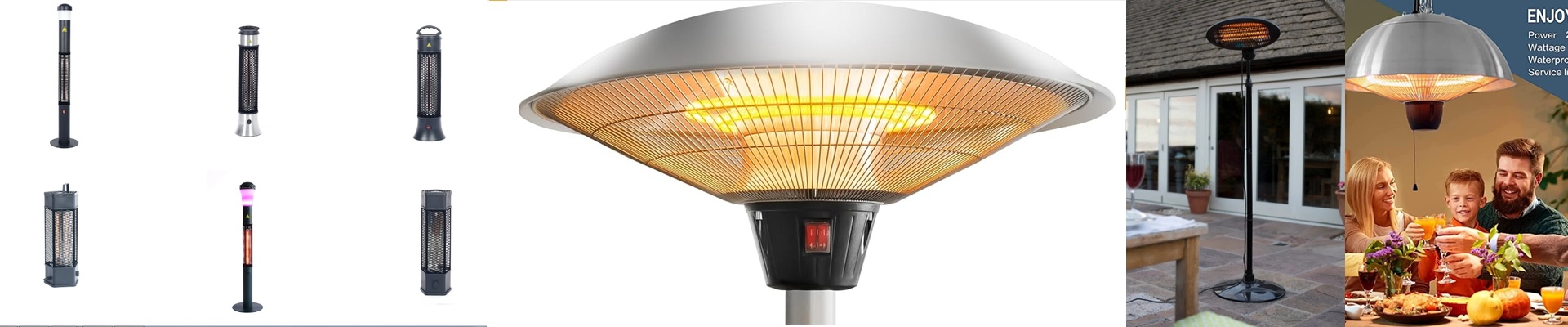
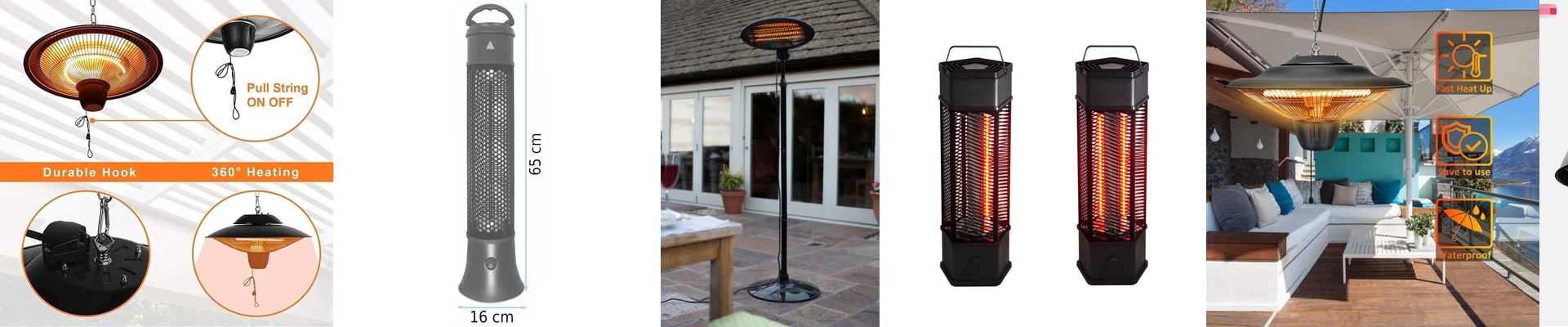
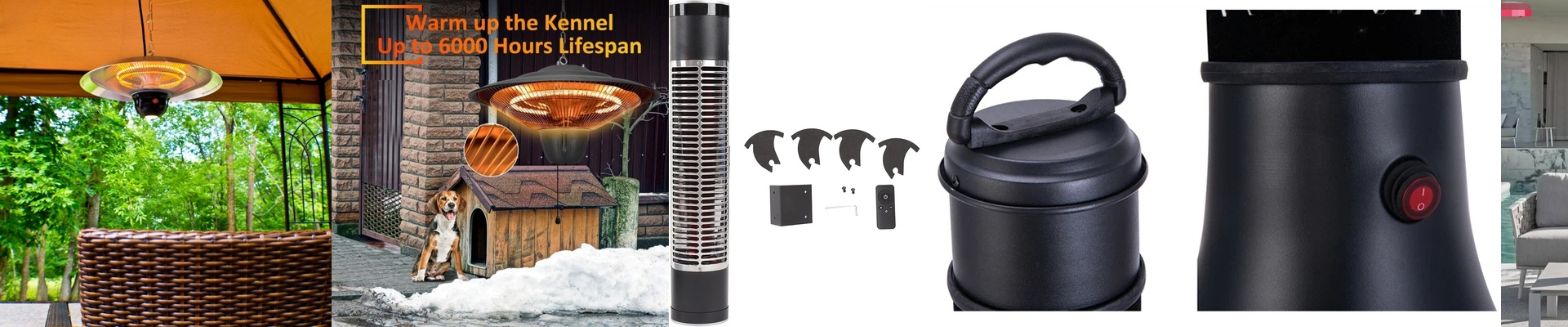
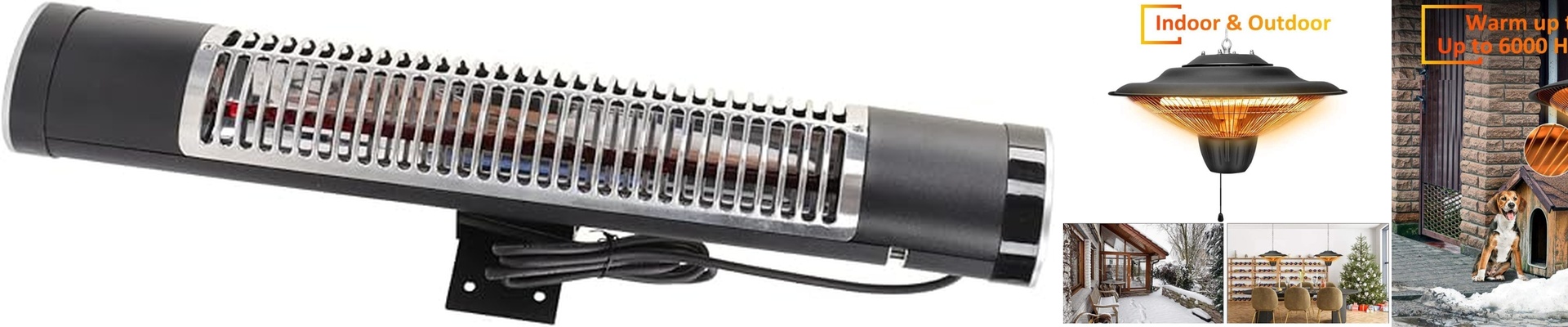
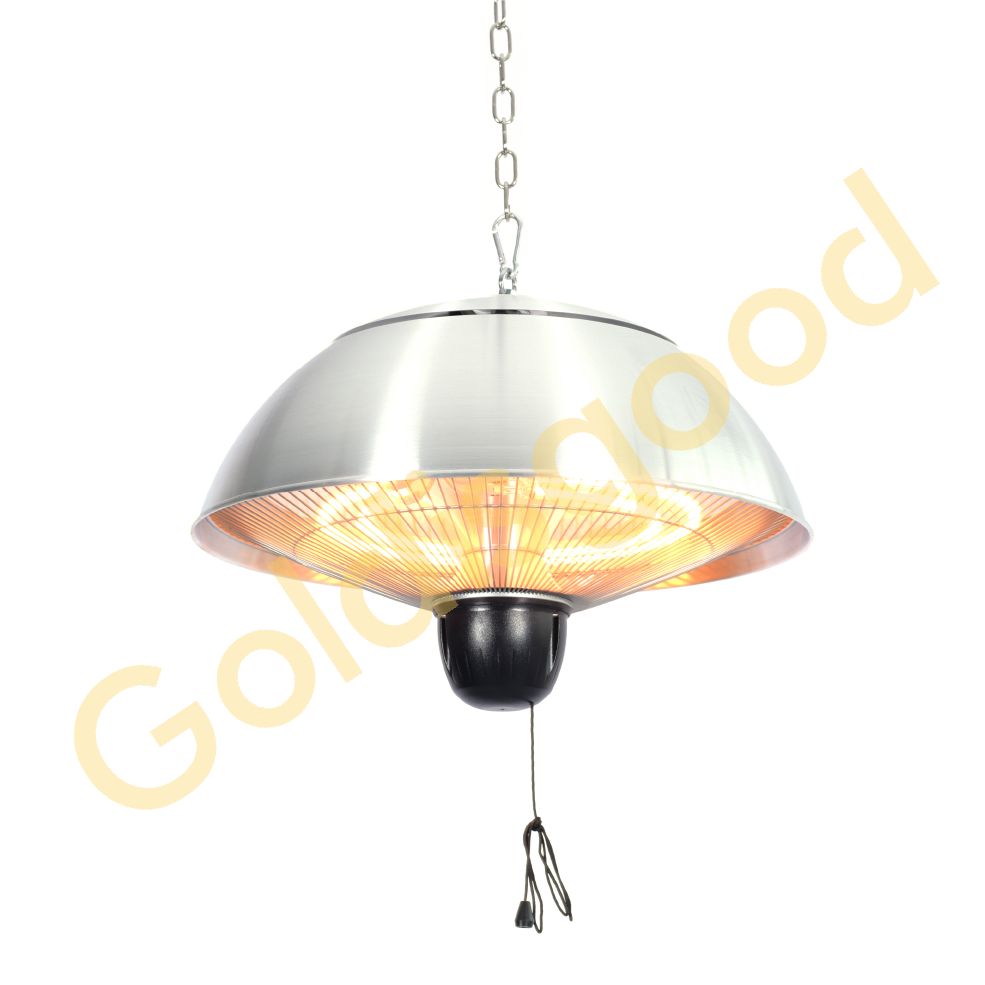
Let’s Talk About Infrared Heaters (And Why the Light Matters)
Here is the tricky part about infrared bathroom heaters: you want the warmth, but you don’t want to feel like you’re staring into the sun. Especially in a nursery or a bathroom, that blinding glare just doesn’t work. It’s jarring. So, instead of just cranking up the power, we focus on how the light actually behaves. Keeping it easy on the eyes Most standard short-wave lamps throw out a lot of visible light and UV rays. That’s fine for an industrial warehouse, but not for a baby’s eyes or your own during a morning shower. To fix this, we put a special coating on the quartz glass. Think of it like a pair of sunglasses for the lamp. It blocks the harsh, high-frequency light but lets the cozy, medium- and long-wave heat slide right through. You get the warmth on your skin, but the light stays soft and mellow. The guts of the machine We use high-purity quartz for the tubes because it’s tough. It can handle being turned on and off quickly without cracking under the pressure. Inside, there’s a tungsten filament with a halogen cycle. Basically, it stops the lamp from burning out too fast, so you aren’t climbing a ladder to replace bulbs every few months. Then there’s the reflector. We use parabolic aluminum shapes to push that heat straight down in a tight cone. It keeps the warmth where you actually need it and stops the glare from hitting you in the face. A few things to keep in mind Now, there is a trade-off. Because that coating filters the light, it absorbs a tiny bit of the energy. What does that mean for you? You might need a lamp with a slightly higher wattage to get the room as warm as an uncoated one would. If you’re swapping these into an old fixture, just double-check that your wiring and breakers can handle the extra load. And please,don’t skip the grounding. These things live in damp areas, and safety isn’t something you want to gamble with.