Introduction
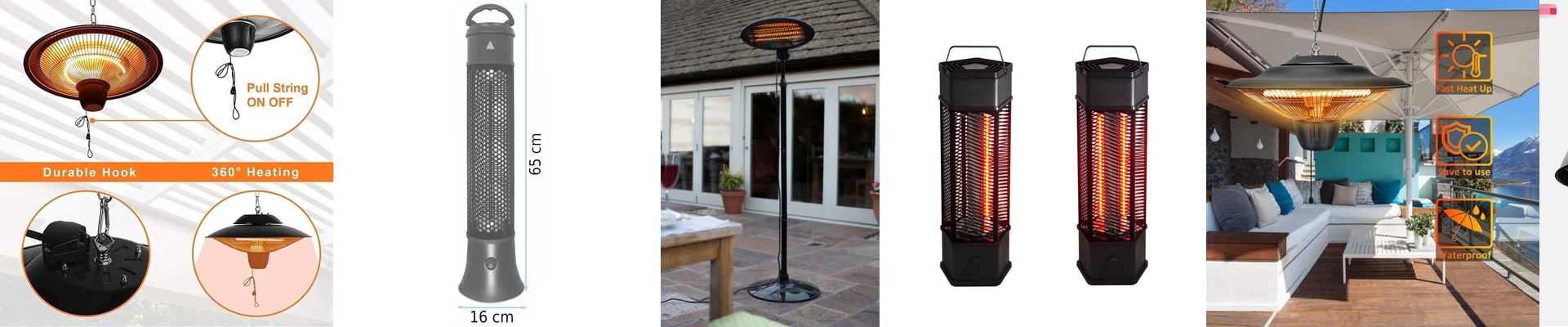
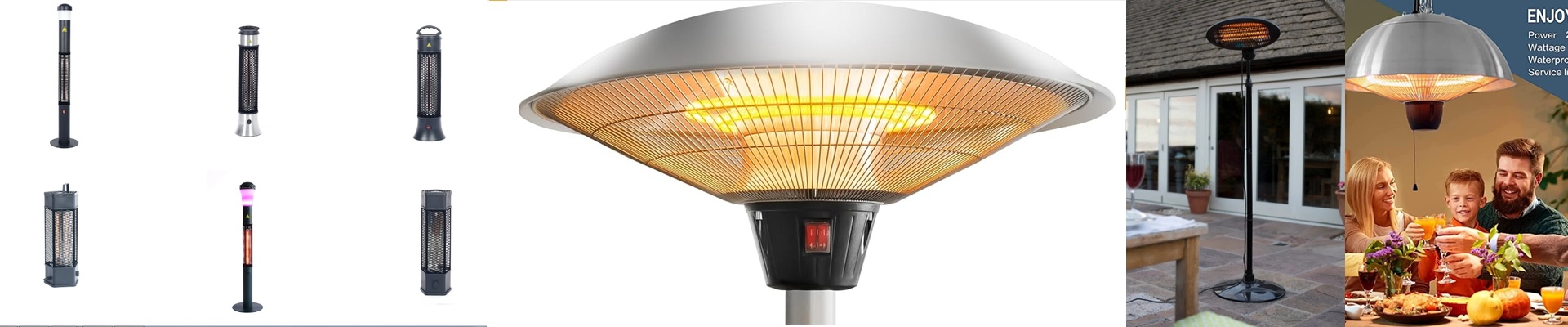
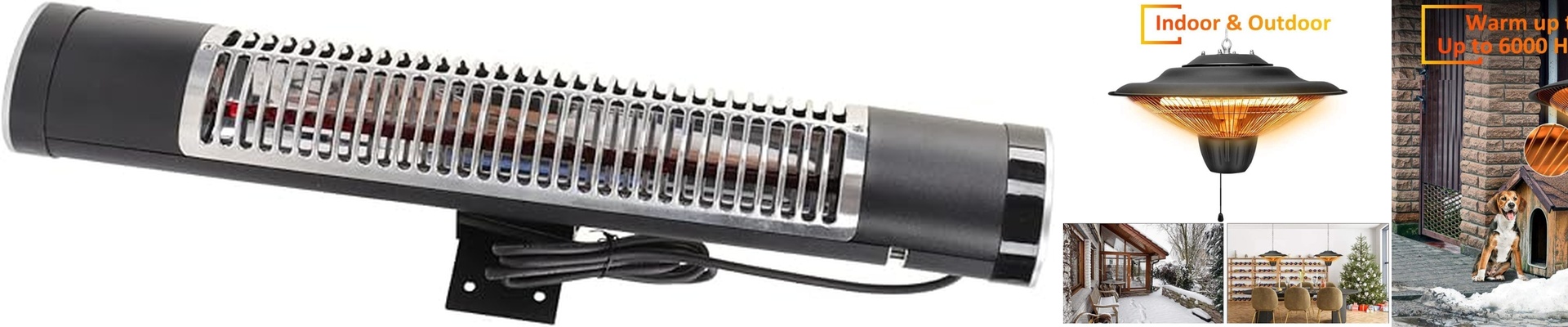
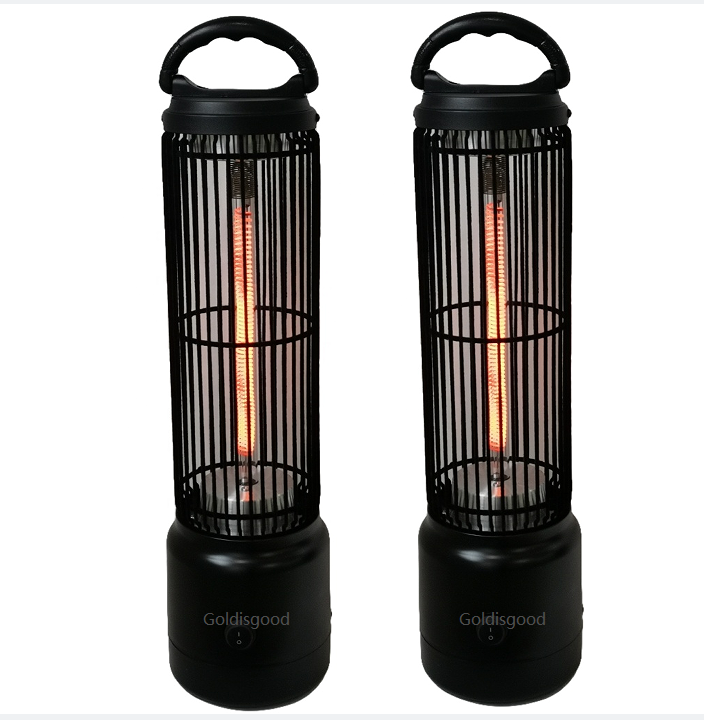
Picture this: you’re out in the elements, trying to keep a critical process warm, but space is tight and the weather is doing its best to mess things up. That’s where we come in. We built these halogen outdoor heaters for exactly that kind of tough, industrial environment. They don’t waste time heating the air around them. Instead, they use intense infrared radiation to zero in on the target and deliver heat right where it’s needed. The heart of it all is a quartz halogen lamp, tough enough to handle the constant shock of heating up and cooling down, and totally unfazed by moisture.
The Tech, Without the Tech-Speak
Let’s get down to what makes these things tick. It all starts with matching the wattage to the voltage, which packs a serious amount of heat into a surprisingly small package. A typical unit cranks out 2500W, running on either 230V or 400V, so it’ll fit right into your plant’s power setup. The lamp itself is a compact 300mm long, which keeps the overall heater footprint small. But don’t let the size fool you. It throws a focused beam of heat, perfect for spot heating or pre-heating a process. You get that rapid temperature rise you need, without having to turn the whole room into a sauna.
Built to Last
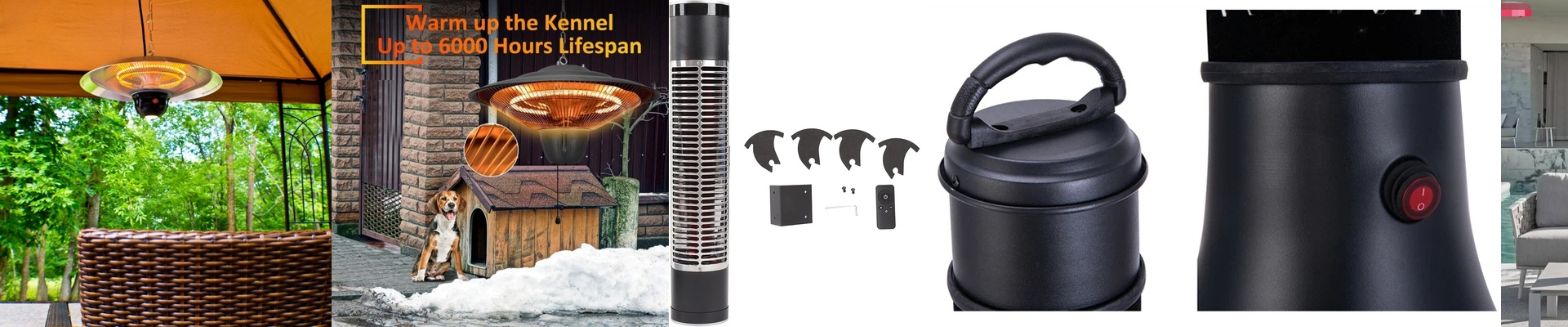
Here’s the thing about halogen tech—it keeps the quartz envelope clean. By running the filament hotter, it prevents that blackening you see in other bulbs, so the heat output stays steady over time. And that quartz tube? It’s built to handle thermal shock, so you can turn these heaters on and off without worrying about them cracking. We pair it with an R7s base for a secure, straightforward connection that stays reliable, even on equipment that’s constantly vibrating. The reflector coating is there to make sure all that infrared energy is aimed straight ahead, cutting down on wasted heat and making your process more consistent.
Real-World Use and What It Feels Like
Out in an exposed plant, these heaters are a game-changer. They respond instantly, delivering steady infrared heat that cuts right through wind and cold. That means your process temperatures stay stable, no matter what the weather throws at you. Their compact size is a huge plus, too. You can drop them right into existing fixtures, making a retrofit feel like a simple swap. Just keep one thing in mind: all that power density means you need to plan for proper cooling and shielding. It’s how you protect the components nearby and make sure everything runs safely and smoothly.