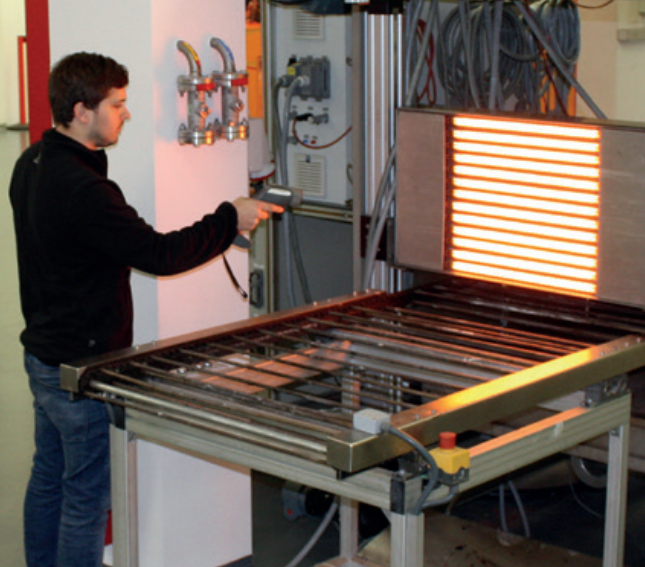
The spin-dry cycle cuts off, and the wafer’s still wet. A standard heater takes too long to settle, and the chuck temperature drifts across the surface. You see the fallout immediately—residue, pattern slip, and a scrap rate that climbs. Out here on the line, the drying and bake step isn’t downtime. It’s a controlled thermal move. If the heat isn’t steady, the photoresist profile shifts, CD control tightens, and particles start showing up where they don’t belong. The automated wafer drying heater is how we take that variability out of the process.
What matters under the hood
We built this unit around a direct, fast-response heating platform that keeps wafer-level uniformity within ±0.1°C across the process window. The heart is a low-thermal-mass element paired with high-precision sensors and closed-loop control. Setpoints track the recipe in seconds, not minutes, so you don’t get overshoot. It runs soft bake and hard bake profiles with repeatability that holds within ±0.2°C run to run. This platform lives in the cleanroom, so the build uses high-purity materials and smooth surfaces that won’t shed. It’s compatible with Class 1–100 cleanrooms, and the airflow path is laid out to minimize turbulence that can kick contaminants onto the wafer. Zero particle generation isn’t a tagline—it’s a design requirement enforced by surface finish, sealing, and exhaust routing. Control does the heavy lifting. Multi-zone temperature management compensates for edge losses and chuck gradients, so the periphery—where yield often gets lost—stays in spec. The heater integrates with automated handling and talks to the host through standard interfaces. It runs 24/7, and condition monitoring flags drift before it turns into a deviation. We keep energy use down by keeping thermal mass low and insulating the hot zone. The unit hits setpoint quickly and idles clean, without wasted power. Maintenance intervals stretch out thanks to corrosion-resistant parts and a design that gives access without breaking the cleanroom envelope.
Why this works in lithography and cleaning
In lithography, the soft bake and hard bake steps set the photoresist profile. Temperature variance changes solvent evaporation, which changes film thickness and critical dimensions. Across a lot, that shows up as line-width excursions and scumming along pattern edges. The automated wafer drying heater stabilizes the thermal budget. With ±0.1°C uniformity and tight repeatability, photoresist stays consistent. Residual solvent defects drop, edge bead drops, and pattern fidelity improves. After cleaning, wafer drying is another spot where heat quality makes the difference. Water marks show up when drying is uneven or too slow. This unit dries quickly and evenly, so you don’t get marks—or the particles that tend to nucleate around them. In high-volume fabs, the faster ramp and stable hold cut cycle time without sacrificing yield. Reliability shows up on the utilization screen. The target is zero unplanned downtime. The control system catches early signs of element aging and sensor drift, so you can schedule maintenance during planned stops. That predictability protects throughput—and yield—because excursions often start with a small temperature shift and end with a scrapped lot. The process window keeps shrinking node to node. Temperature control isn’t a nice-to-have anymore. It’s a process enabler. When the thermal profile is stable, CD control tightens, overlay improves, and the line gets predictable. Predictable lines mean less rework, lower material cost, and steady equipment performance.
What you need to know on the install and beyond
The automated wafer drying heater fits new and retrofit platforms, but it isn’t plug-and-play. You have to match exhaust routing and vibration isolation to the specific tool to keep particle counts down. The unit needs clean, dry compressed air and a stable power supply—voltage swings turn into temperature noise, and the control loop needs clean inputs to hold ±0.1°C. The footprint is compact, but clearance around the chuck has to respect the airflow pattern. Block the flow and you change the temperature distribution, which can increase particle generation. Plan service access up front. The heater is designed for quick element replacement, but that access panel still needs room for tools. Compatibility with wafer sizes and chucks is straightforward, but the interface still needs verification. Different carriers and end-effectors add different thermal loads. The host recipe has to map the right bake profiles, and ramp rates need tuning to the wafer stack and solvent load. Once tuned, the process stays repeatable—but that initial calibration is a necessary step. One practical constraint: the heater performs best when the incoming wafer temperature is in a defined window. Cold wafers straight from storage create transient gradients that take time to settle. Buffer the incoming cassettes or precondition the wafers, and you eliminate the transient so the thermal profile stays tight. This isn’t just a box that warms air. It’s a precision thermal subsystem that strips variability out of drying and photoresist bake. In the fab, that reduction in variability is how you protect yield and keep equipment performance stable.
วงจรการปั่นแห้งหยุดทำงาน ขณะที่แผ่นเวเฟอร์ยังคงเปียกอยู่ ฮีตเตอร์มาตรฐานใช้เวลานานเกินกว่าจะนิ่ง และอุณหภูมิบนชัคมีการเปลี่ยนแปลงไปทั่วพื้นผิว สิ่งที่เกิดขึ้นเห็นได้ทันที—คราบตกค้าง การเลื่อนของลวดลาย และอัตราสินค้าเสียที่เพิ่มขึ้น ในสายการผลิต ขั้นตอนการอบแห้งและอบร้อนไม่ใช่ช่วงเวลาหยุดเครื่อง แต่มันคือการควบคุมความร้อนอย่างมีระบบ หากความร้อนไม่เสถียร รูปโปรไฟล์ของโฟโตเรซิสต์จะเปลี่ยนแปลง การควบคุม CD จะเข้มงวดมากขึ้น และอนุภาคจะเริ่มปรากฏในบริเวณที่ไม่ควรมี ฮีตเตอร์อบแห้งเวเฟอร์อัตโนมัติคือวิธีที่เรากำจัดความแปรปรวนนี้ออกจากกระบวนการ
สิ่งที่สำคัญภายในเครื่อง
เราสร้างยูนิตนี้บนแพลตฟอร์มฮีตติ้งที่ตอบสนองอย่างรวดเร็วโดยตรง ซึ่งรักษาความสม่ำเสมอของอุณหภูมิระดับเวเฟอร์ให้อยู่ในช่วง ±0.1°C ตลอดช่วงกระบวนการ แกนกลางคือองค์ประกอบความร้อนที่มีมวลความร้อนต่ำคู่กับเซ็นเซอร์ความแม่นยำสูงและระบบควบคุมแบบวงปิด จุดตั้งค่าจะติดตามสูตรกระบวนการในเวลาไม่กี่วินาทีแทนที่จะเป็นนาที จึงไม่มีการเกินจุดตั้งค่า ยูนิตนี้สามารถรันโปรไฟล์อบแบบ soft bake และ hard bake ด้วยความแม่นยำซ้ำที่อยู่ในช่วง ±0.2°C ระหว่างรอบการทำงาน
แพลตฟอร์มนี้ติดตั้งในห้องคลีนรูมจึงใช้วัสดุความบริสุทธิ์สูงและพื้นผิวเรียบที่ไม่หลุดลอก รองรับห้องคลีนรูมระดับ Class 1–100 เส้นทางการไหลของอากาศถูกออกแบบเพื่อลดความปั่นป่วนที่อาจพัดพาสิ่งปนเปื้อนลงบนเวเฟอร์ การไม่มีการสร้างอนุภาคเลยไม่ใช่เพียงคำโฆษณา แต่เป็นข้อกำหนดทางวิศวกรรมที่บังคับใช้ด้วยการขัดผิว ผนึก และการเดินท่อระบาย
การควบคุมเป็นตัวหลักที่ทำงานอย่างหนัก การจัดการอุณหภูมิแบบหลายโซนช่วยชดเชยการสูญเสียที่ขอบและความลาดเอียงของชัค ทำให้บริเวณขอบที่มักเป็นจุดเสียหายยังคงอยู่ในสเปค ฮีตเตอร์สามารถผนวกรวมกับระบบจัดการอัตโนมัติและสื่อสารกับโฮสต์ผ่านอินเทอร์เฟซมาตรฐาน ทำงานได้ต่อเนื่อง 24/7 พร้อมระบบติดตามสถานะที่แจ้งเตือนเมื่อมีการเบี่ยงเบนก่อนที่จะกลายเป็นข้อผิดพลาด
เราควบคุมการใช้พลังงานให้น้อยลงด้วยการลดมวลความร้อนและฉนวนพื้นที่ร้อน ยูนิตถึงจุดตั้งค่าอย่างรวดเร็วและรักษาความสะอาดขณะรอทำงานโดยไม่ใช้พลังงานเกินความจำเป็น ช่วงเวลาการบำรุงรักษายาวนานขึ้นเพราะชิ้นส่วนทนต่อการกัดกร่อนและการออกแบบที่ให้เข้าถึงง่ายโดยไม่ทำลายผนังห้องคลีนรูม
เหตุผลที่ใช้งานได้ดีในลิโธกราฟีและการทำความสะอาด
ในลิโธกราฟี ขั้นตอน soft bake และ hard bake กำหนดรูปโปรไฟล์ของโฟโตเรซิสต์ ความแปรผันของอุณหภูมิส่งผลต่อการระเหยของตัวทำละลาย ซึ่งส่งผลต่อความหนาของฟิล์มและมิติเชิงวิกฤติ (CD) ในล็อตงานขนาดใหญ่จะแสดงออกเป็นการเบี่ยงเบนของความกว้างเส้นและคราบสกปรกตามขอบลวดลาย ฮีตเตอร์อบแห้งเวเฟอร์อัตโนมัติช่วยรักษางบประมาณความร้อนให้เสถียร ด้วยความสม่ำเสมอ ±0.1°C และความแม่นยำซ้ำสูง โฟโตเรซิสต์จึงคงที่ ข้อบกพร่องจากตัวทำละลายตกค้างลดลง ความหนาขอบฟิล์มลดลง และความถูกต้องของลวดลายดีขึ้น
หลังจากทำความสะอาด การอบแห้งเวเฟอร์เป็นจุดที่คุณภาพความร้อนส่งผลชัดเจน รอยน้ำเกิดขึ้นเมื่อการอบแห้งไม่สม่ำเสมอหรือช้าเกินไป ยูนิตนี้อบแห้งอย่างรวดเร็วและสม่ำเสมอ จึงไม่มีรอยน้ำหรืออนุภาคที่มักเกิดรอบ ๆ จุดนั้น ในโรงงานที่มีปริมาณการผลิตสูง การเร่งอุณหภูมิและการรักษาอุณหภูมิคงที่ช่วยลดเวลาวงจรโดยไม่ลดผลผลิต
ความน่าเชื่อถือสะท้อนในหน้าจอการใช้งาน เป้าหมายคือไม่มีเวลาหยุดเครื่องโดยไม่คาดคิด ระบบควบคุมจับสัญญาณเริ่มต้นของการเสื่อมสภาพขององค์ประกอบความร้อนและการเปลี่ยนแปลงของเซ็นเซอร์ จึงสามารถวางแผนบำรุงรักษาในช่วงหยุดเครื่องที่กำหนดไว้ได้ ความสามารถในการคาดการณ์นี้ช่วยปกป้องอัตราการผลิตและผลผลิต เพราะความผิดปกติมักเริ่มจากการเปลี่ยนแปลงอุณหภูมิเพียงเล็กน้อยและจบลงด้วยการเสียล็อตงาน
ช่วงกระบวนการแคบลงเรื่อย ๆ ตามแต่ละ node การควบคุมอุณหภูมิไม่ใช่สิ่งที่มีแล้วดีอีกต่อไป แต่เป็นตัวเปิดใช้งานกระบวนการ เมื่อโปรไฟล์ความร้อนเสถียร การควบคุม CD จะเข้มงวดขึ้น การซ้อนทับลวดลายดีขึ้น และเส้นงานมีความคาดการณ์ได้ การที่เส้นงานคาดการณ์ได้หมายถึงการลดงานแก้ไข ต้นทุนวัสดุต่ำลง และประสิทธิภาพอุปกรณ์ที่คงที่
สิ่งที่ต้องรู้ในการติดตั้งและหลังจากนั้น
ฮีตเตอร์อบแห้งเวเฟอร์อัตโนมัติสามารถติดตั้งได้ทั้งบนแพลตฟอร์มใหม่และแบบ retrofit แต่ไม่ใช่ plug-and-play ต้องจับคู่การระบายอากาศและการกันสั่นสะเทือนให้เหมาะกับเครื่องมือเฉพาะเพื่อควบคุมจำนวนอนุภาค ยูนิตต้องการอัดอากาศที่สะอาดและแห้ง พร้อมแหล่งจ่ายไฟที่เสถียร เพราะแรงดันไฟฟ้าที่ไม่เสถียรจะแปรผันเป็นสัญญาณรบกวนด้านอุณหภูมิ และระบบควบคุมต้องการสัญญาณอินพุตที่สะอาดเพื่อรักษาความแม่นยำ ±0.1°C
ขนาดเครื่องกะทัดรัด แต่พื้นที่ว่างรอบ ๆ ชัคต้องเคารพรูปแบบการไหลของอากาศ การกีดขวางทางไหลจะเปลี่ยนการกระจายอุณหภูมิ ซึ่งอาจเพิ่มการสร้างอนุภาค ต้องวางแผนจุดเข้าถึงสำหรับงานบริการตั้งแต่แรก ฮีตเตอร์ถูกออกแบบให้เปลี่ยนองค์ประกอบได้รวดเร็ว แต่แผงเข้าถึงยังต้องมีพื้นที่สำหรับเครื่องมือ
ความเข้ากันได้กับขนาดเวเฟอร์และชัคทำได้ง่าย แต่ยังต้องตรวจสอบอินเทอร์เฟซ ตัวขนส่งและ end-effector ที่แตกต่างกันเพิ่มภาระความร้อนต่างกัน สูตรโฮสต์ต้องแมปโปรไฟล์อบที่เหมาะสม และต้องปรับอัตราการเพิ่มอุณหภูมิตามชั้นเวเฟอร์และโหลดตัวทำละลาย เมื่อปรับแล้ว กระบวนการจะซ้ำได้ แต่การสอบเทียบเริ่มต้นเป็นขั้นตอนที่จำเป็น
ข้อจำกัดปฏิบัติข้อหนึ่งคือ ฮีตเตอร์ทำงานได้ดีที่สุดเมื่ออุณหภูมิของเวเฟอร์ที่เข้ามาอยู่ในช่วงกำหนด เวเฟอร์เย็นจากการเก็บรักษาตรง ๆ สร้างความแตกต่างชั่วคราวของอุณหภูมิที่ต้องใช้เวลาสำหรับการนิ่ง ต้องใช้แคสเซ็ตต์บัฟเฟอร์หรือเตรียมสภาพเวเฟอร์ล่วงหน้าเพื่อกำจัดความแตกต่างชั่วคราวและรักษาโปรไฟล์ความร้อนให้นิ่ง
นี่ไม่ใช่แค่กล่องที่ทำให้อากาศอุ่น แต่เป็นระบบย่อยความร้อนที่แม่นยำซึ่งกำจัดความแปรปรวนในขั้นตอนการอบแห้งและอบโฟโตเรซิสต์ ในโรงงาน การลดความแปรปรวนนี้คือวิธีปกป้องผลผลิตและรักษาประสิทธิภาพอุปกรณ์ให้คงที่